


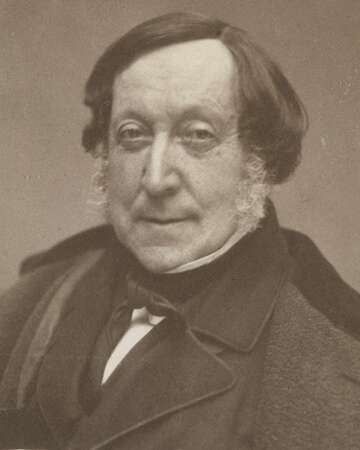
Rossini’s Masterpiece: The Birth of 'Guillaume Tell'
'Guillaume Tell', composed by Gioachino Rossini, premiered on August 3, 1829, at the famed Salle Le Peletier in Paris. This grand opera marked a turning point in Rossini’s illustrious career, being his last operatic work and an ambitious entry into the genre of grand opera. The audiences were captivated by its dramatic scope and sophisticated musical composition.
The Story of William Tell
Based on the legendary Swiss hero, William Tell, the opera tells a tale of resistance against tyranny. The narrative follows Tell's struggle against the oppressive rule of the Austrian governor Gessler. The iconic scene of Tell shooting an apple off his son’s head has become a symbol of heroism and defiance against oppression. This powerful story, coupled with Rossini's masterful music, resonated deeply with themes of liberty, making it an instant classic.
A New Direction in Opera
With 'Guillaume Tell', Rossini incorporated elements that influenced the future of opera, including extended orchestral interludes and dramatic choruses. The opera is structured into four acts, showcasing not only powerful arias but also larger ensemble pieces that engage the entire cast. This innovative approach shifted the focus from solo performances to grand collective expressions of emotion.
The Impact and Legacy of 'Guillaume Tell'
'Guillaume Tell' was not just another opera; it laid the groundwork for the evolution of operatic storytelling in the 19th century. Its blend of drama, beautiful melodies, and political undertones created a template that later composers would emulate.
The Last Opera of Rossini
After the tremendous success of 'Guillaume Tell', Rossini retired from composing opera. He shifted his focus toward other musical forms such as chamber music and song writing, yet 'Guillaume Tell' remains his crowning achievement, receiving acclaim long after its premiere.
Cultural Significance of the Opera
In addition to its artistic merit, the themes of liberation and justice reflected the political climate of Europe during the 19th century. Audiences found profound connections with the characters’ struggles, adding layers of cultural significance to the opera that resonate to this day.
Fun Fact
Did You Know?
The opera 'Guillaume Tell' premiered near the height of the Romantic Era, a time when artistic expression was at its peak. Its notable Overture remains one of the most performed pieces in the classical music repertoire, often featured in concerts and films.
Additional Resources
Recommended Reading on 'Guillaume Tell'
For a deeper understanding of 'Guillaume Tell' and its context, consider reading "The Operas of Rossini" by Richard Osborne and "Rossini: Composer & Storyteller" by John M. McCoy. These texts provide extensive insights into Rossini's life and musical contributions.




 Continue with Google