



The Birth of a Literary Classic: Mary Shelley's Frankenstein
Mary Shelley's Contribution to Literature
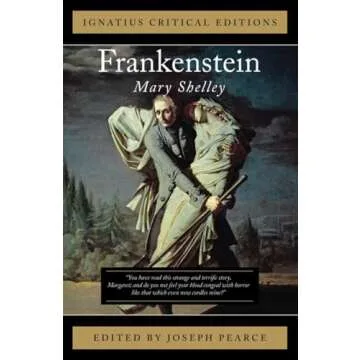
In 1818, a groundbreaking novel titled Frankenstein; or, The Modern Prometheus was anonymously published in London by the small publishing house of Lackington, Hughes, Harding, Mavor, & Jones. Written by the talented Mary Shelley, this eerie tale of creation and consequence began a revolution in the genre of science fiction and gothic literature. Her innovative storytelling not only captured the imagination of readers but also raised profound questions about humanity, ethics, and science.
The Impact of Frankenstein
Upon its release, Frankenstein was met with mixed reviews, yet it quickly grew in popularity, resonating with the public's fascination with the Enlightenment and the emerging themes of Romanticism. Shelley's exploration of the danger of ambition through her character, Victor Frankenstein, and his tragic creation, sparked dialogue about the responsibilities of creators towards their creations, making it a timeless piece that remains relevant in discussions about ethics in science today.
Unveiling the Life of Mary Shelley
Early Life and Inspirations Behind Frankenstein
Mary Shelley, born in 1797 in London, was surrounded by progressive thinkers and writers, including her father, the philosopher William Godwin, and her mother, the feminist Mary Wollstonecraft. At the age of 18, during a summer retreat in 1816, she conceived the idea for Frankenstein while engaging in horror-story competitions with Thérèse, Byron, and Percy Shelley, who would later become her husband.
The Legacy of Mary Shelley's Frankenstein
The novel's legacy is profound, influencing countless adaptations in film, theater, and literature. It introduced the archetype of the mad scientist and has become a cornerstone of gothic horror. Mary Shelley's Frankenstein continues to inspire modern audiences, sparking discussions about technological advancement and the moral implications of creation.
Fun Fact
The Origin of Frankenstein’s Name
The name Frankenstein has become synonymous with the creature itself; however, in Shelley's novel, Frankenstein refers to the scientist, not the monster. This common misconception highlights the impact and cultural significance of the novel's title.
Additional Resources
Recommended Reading on Mary Shelley’s Frankenstein
For those interested in a more in-depth exploration of this literary masterpiece, consider reading "The Annotated Frankenstein" by Mary Shelley, which provides insights into the text as well as the context of its time. Another excellent resource is "Frankenstein: A Norton Critical Edition", which includes critical essays that delve into the themes and interpretations of Shelley's work.









 Continue with Google