


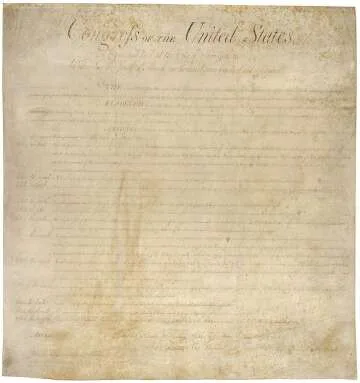
The Proposal for a Bill of Rights
In the year 1787, American statesman George Mason stood up at the Constitutional Convention in Philadelphia and raised a critical issue regarding the protection of individual liberties. Mason's proposal was rooted in the fear that the new government might infringe upon the rights of citizens. He suggested that a Bill of Rights should be added to the Constitution, modeled after declarations already adopted by various states.
George Mason's Vision for the Bill of Rights
Mason, known for his strong advocacy of individual freedoms, argued that a specific enumeration of rights was essential to safeguard against governmental overreach. His vision included protecting fundamental civil liberties such as freedom of speech, religion, and the right to a fair trial. Mason believed that without explicit protections, the rights of individuals would remain at the mercy of government interpretation.
The Defeat of the Motion
Despite Mason's passionate appeal, the motion for a Bill of Rights was defeated. Many delegates at the convention felt that the Constitution as proposed already limited governmental powers sufficiently through its framework of checks and balances. They believed that specifying certain rights could inadvertently imply that any rights not included were not protected.
The Aftermath of the Rejection
The rejection of the Bill of Rights had significant implications for the emerging nation. While the Constitution was ratified without a Bill of Rights, critics like Mason expressed concerns over the potential tyranny posed by a strong federal government.
Calls for Amendments
The defeat of the initial proposal did not silence the movement for adding protections for individual rights. Over time, growing public sentiment pushed for amendments. Ultimately, this pressure led to the drafting of the Bill of Rights, which was ratified by Congress in 1791, comprising the first ten amendments that explicitly outlined and protected individual liberties.
The Legacy of the Bill of Rights
Today, the Bill of Rights stands as a cornerstone of American democracy, enshrining freedoms that enable citizens to live with dignity and security. The earlier defeat of Mason's motion serves as a reminder of the ongoing struggle between governmental authority and individual rights, a theme that resonates throughout American history.
Fun Fact
George Mason’s Interesting Fact
Interestingly, George Mason is often referred to as the "father of the Bill of Rights" despite the initial defeat of his proposal at the Constitutional Convention.
Additional Resources
Recommended Reading on George Mason and the Bill of Rights
For those interested in exploring this subject further, consider reading "The Bill of Rights: Creation and Reconstruction" by Bernard Schwartz or "George Mason: Forgotten Founder" by William C. diGiacomandrea. These works delve into the historical context and significance of the Bill of Rights.






 Continue with Google