


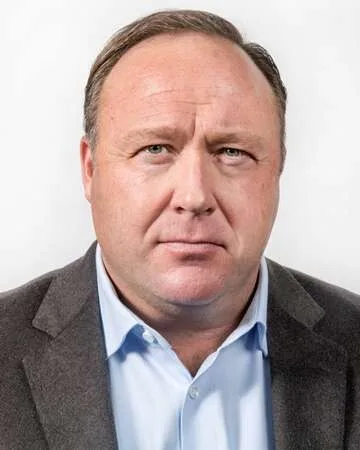
The Controversial Ban of Alex Jones
In the summer of 2018, a significant event unfolded in the realm of social media and free speech when tech giants like Facebook, Apple, YouTube, and Spotify banned conspiracy theorist Alex Jones from their platforms. This largely stemmed from Jones' promotion of various conspiracy theories, which critics argued incited violence and spread misinformation, particularly concerning sensitive topics such as tragedies and health issues.
Alex Jones’ Controversial Influence
Alex Jones, a self-proclaimed radio host and documentary filmmaker, gained notoriety through his website, Infowars, which became a hub for various conspiracy theories. His claims often included absurd allegations that events like the Sandy Hook Elementary School shooting were hoaxes. This dissemination of misinformation led to public outcry, particularly from victims' families, who faced harassment by Jones’ followers.
Social Media's Response to Misinformation
In July 2018, after multiple breaches of community guidelines concerning hate speech and misinformation, the aforementioned platforms initiated actions against Jones and Infowars. Their reasoning was heavily based on the growing issues of misinformation and the influence that such content could have on public opinion and safety. The response from social media also highlighted the ongoing battle between free speech and the responsibility of platforms to monitor and control harmful content.
The Impact of the Ban on Alex Jones
The removal of Alex Jones from social media platforms marked a turning point in the discussions surrounding content moderation. It raised pivotal questions about free speech, the role of technology companies, and the accountability they hold. This was not just about one individual but reflected broader societal debates regarding the limits of expression.
Community Division and Debate
The decision to ban Alex Jones sparked heated debates among various communities. Supporters argued it was necessary to ensure safety from dangerous rhetoric, while opponents claimed it was an infringement on free speech. This incident underscored the complexities that tech platforms face in regulating content while remaining open to diverse opinions.
Consequences for Other Content Creators
The fallout from Alex Jones’ removal extended beyond him. Content creators on these platforms began to feel more scrutinized, leading them to reflect on what they share. The decisions made by tech giants in this context set a precedent that impacted the way future cases of misinformation would be handled, leading to more rigorous content moderation practices.
Fun Fact
What Triggered Alex Jones’ Rise in Popularity?
Interestingly, Alex Jones rose to popularity within the context of the internet boom and the increasing distrust in traditional media. His ability to tap into various conspiratorial narratives resonated with audiences looking for alternative perspectives on significant events in contemporary society.
Additional Resources
Further Reading on Content Moderation and Free Speech
For those interested in exploring this topic more deeply, consider reading “The Chaos Machine” by Max Fisher, which dives into the impact of social media on society. Another enlightening read is “The Coddling of the American Mind” by Greg Lukianoff and Jonathan Haidt, discussing college culture and free speech.










 Continue with Google