


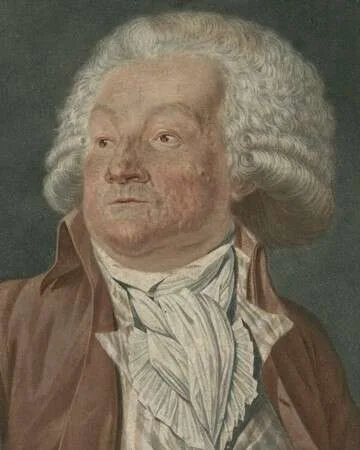
The Controversial Removal of Mirabeau's Remains
In a dramatic turn of events in 1794, the French National Convention ordered the removal of the remains of Comte de Mirabeau from the illustrious Panthéon, which is the final resting place for many of France's most venerable citizens. This decision was influenced by newly revealed allegations of the Comte's double-dealings with the royal court during the tumultuous times of the French Revolution.
Comte de Mirabeau: Revolutionary Leader and Diplomat
Honoré Gabriel Riqueti, Comte de Mirabeau, was a notable figure during the early days of the French Revolution. Born in 1749, Mirabeau was an influential politician, writer, and one of the leading spokespersons for the National Assembly. He played a pivotal role in advocating the rights of the common people and was deeply involved in revolutionary activities. However, his complex relationships with the monarchy, especially during crucial moments of the revolution, cast a shadow over his legacy.
The Double-Dealings Exposed
Mirabeau's reputation took a hit when it was uncovered that he had engaged in clandestine discussions with King Louis XVI. Allegations arose that he had been negotiating with the court for certain concessions, raising questions about his loyalty to the revolutionary cause. These revelations, particularly during a period of intense suspicion and paranoia within the revolutionary government, led to his disgrace and ultimately, the decision to expel his remains from a place of honor.
The Impact of Removal on Historical Memory
The expulsion of Mirabeau’s remains reflects the volatile nature of revolutionary politics. It signifies how quickly public opinion can shift during times of social upheaval. Removing a once-celebrated revolutionary from the Panthéon was not just about the individual; it showcased the newly established regime’s commitment to purity and loyalty among its heroes.
Public Perception of Comte de Mirabeau
After his death in 1791, Mirabeau was initially regarded as a martyr for the revolutionary cause. However, as political factions hardened, his legacy became increasingly controversial. The decision to remove his remains illustrates how political narratives can be rewritten and how the ideals of the revolution were interpreted with various degrees of rigidity.
Legacy and Historical Consequences
The removal of Mirabeau from the Panthéon serves as a cautionary tale about the fragility of political heroes. His dramatic fall from grace highlights the precariousness of power dynamics during the French Revolution and serves as a reminder of how history can reshape someone’s legacy based on contemporary political needs.
Fun Fact
Mirabeau’s Lasting Influence
Despite his controversial legacy, Mirabeau remains a key figure in the study of the French Revolution, representing the complexities and contradictions that defined that era. Interestingly, his life and works continue to be discussed and analyzed, showing that he still influences modern political discourse.
Additional Resources
Recommended Reading on Comte de Mirabeau
For deeper exploration into the life and legacy of Comte de Mirabeau, consider reading Mirabeau: A Biography by J. M. D. Meiklejohn and The French Revolution: A Very Short Introduction by William Doyle, both of which provide invaluable insights into his significant yet controversial contributions to French history.












 Continue with Google