


The Dramatic Crossing of the River Tweed
Colonel George Monck's Strategic Move
In 1660, Colonel George Monck took a decisive step in British history by crossing the River Tweed at Coldstream. Leading two brigades of troops, his mission was clear: to restore the monarchy after a tumultuous period of military rule that followed the English Civil War. This crossing symbolized not just a physical journey, but a pivotal moment toward political change.
The Harsh Conditions of the March
The army didn't have an easy path; they trudged through knee-deep snow, battling the elements as they made their way south to London. Monck’s leadership and resilience in these harsh conditions demonstrated his commitment to his cause and the lengths he was willing to go for a stable and royal government.
The March to London: A Political Statement
Ending Military Rule
Colonel Monck’s journey wasn't just about the physical march but was a declaration against the ongoing military rule. By moving towards London, Monck aimed to dismantle the existing military governance that had left the nation in disarray post-Civil War. His actions rallied those who wished for a return to monarchy, reshaping the political landscape.
The Restoration of the Monarchy
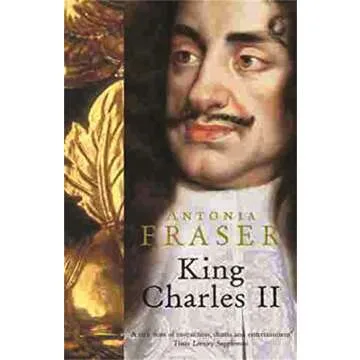
By reaching London, Monck paved the way for the Restoration of the Monarchy, leading to the reinstatement of King Charles II. This turn of events marked a significant turning point in British history, ushering in a new era characterized by relative stability and the end of strict military authority.
Fun Fact
Colonel Monck's Legacy
Despite being a soldier, Colonel George Monck played a crucial role in shaping the future of the British monarchy, earning a place in history as the man who restored Charles II to the throne.
Additional Resources
Recommended Reading on Colonel George Monck
For those interested in learning more, consider reading "Monck: The Life, Times, and Legacy of a Civil War General" which delves deeper into his strategies and the significance of his actions in 1660.








 Continue with Google