


A Growing Concern: The State of Low-Wage Employment
2019 Analysis by the Brookings Institution
In 2019, a concerning report published by the Brookings Institution's Metropolitan Policy Program revealed that approximately 44% of Americans were employed in low-wage jobs. These positions offered an alarming average annual wage of just $18,000. This statistic not only highlights the struggles of millions of workers but also prompts deeper questions about the economic landscape of the nation.
Demographics of Low-Wage Workers
The analysis emphasized that a substantial number of these low-wage workers are aged between 25 to 54 years old, a critical stage in one's career. This demographic is typically seen as being in the prime of their work life, yet many are unable to secure positions that provide sustainable living wages. The implications of these findings suggest that many workers are trapped in a cycle of poverty, despite their experience and age.
Impact of Low-Wage Jobs on Society
Economic Implications of Low Wages
The prevalence of low-wage jobs not only affects individual workers but also the wider economy. When 44% of the workforce earns a wage that barely meets the basic needs, many families face daily struggles to provide essentials. This reliance on low-wage jobs can lead to significant effects on local economies, increased reliance on social services, and a wider income disparity within society.
Social Consequences of Low-Wage Employment
The societal impact of a workforce predominantly engaged in low-wage jobs can be profound. Workers earning a mere $18,000 annually may experience heightened stress, lower health outcomes, and restricted access to education and development opportunities for themselves or their children. This dynamic can perpetuate a cycle of poverty that is difficult to escape.
Fun Fact
Low Wage Jobs and Their Growth
Interestingly, the trend of low-wage employment is not new but has increased steadily over the past few decades. The Brookings Institution attributes this growth to various factors including technology, shifts in labor demand, and changes in the nature of work.
Additional Resources
Recommended Reading on the Low Wage Workforce
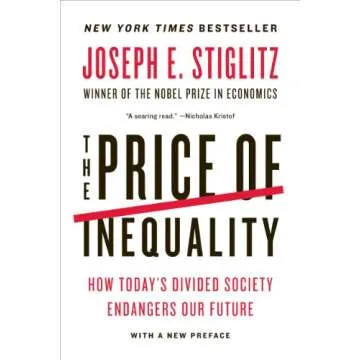
For those interested in exploring this issue further, consider reading “The Price of Inequality” by Joseph Stiglitz, which touches upon economic disparities, and “Down and Out in the Great Recession” by Alasdair Roberts, as it delves into economic hardships experienced by many workers.









 Continue with Google