


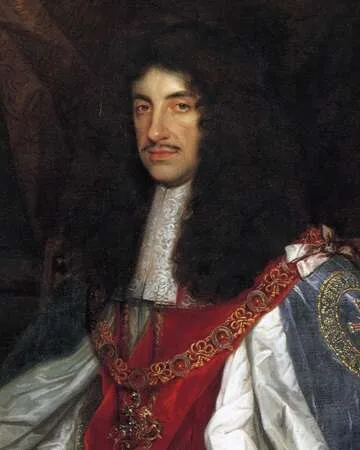
The Escape of King Charles II
In the aftermath of the **Battle of Worcester** in 1651, King **Charles II of England** found himself on a perilous journey for survival. Following his defeat by Parliamentarian forces, he needed to evade capture and flee the country. The day he spent hiding in an oak tree has become a legendary tale, reflecting both the danger of his situation and the bravery he exhibited during these tumultuous times.
Hiding in the Oak Tree
On that fateful day, Charles II fled into the **forests of England**, seeking refuge from pursuing troops. He discovered a massive **oak tree**, known as the **Royal Oak**, which brought him temporary safety. His clever decision to hide among the branches provided him with a visual advantage over his potential captors. Not only did he find a hiding place, but he also experienced the profound quiet of the **English countryside**, allowing him a moment of reflection amidst chaos.
The Significance of the Royal Oak
This encounter transformed the **Royal Oak** into a symbol of resilience and royal legacy. The oak tree stood not only as a shelter for the king but also as a representation of Charles II’s determination to reclaim his throne. The lore surrounding the tree has led to its recognition in English history, marking significant events in the monarchy.
A Journey Towards Restoration
After leaving the safety of the Royal Oak, Charles II’s journey continued as he shuttled between friendly territories, seeking assistance to restore his monarchy. His ability to navigate through perilous conditions showcased his leadership and kingship qualities, eventually leading him back to power in 1660, a decade after the events of Worcester.
The Role of Supporters
During his escape, Charles relied heavily on loyal supporters and sympathetic locals. These **Royalists** played an essential role in assisting him with food, shelter, and information about the enemy’s movements. The network of support exemplified the deep loyalty he inspired, preparing the ground for his future return.
Lasting Impact on English History
The story of Charles II hiding in the **Royal Oak** remains a significant chapter in **English history**. It highlights not just a moment of peril but also his eventual restoration that would alter the course of the monarchy. The tale has transcended generations, becoming part of England’s cultural legacy.
Fun Fact
The Royal Oak’s Legacy
Today, the original Royal Oak is celebrated, and its legacy is honored across England. Many pubs and locations bear its name, celebrating the king’s remarkable story and the enduring strength of the oak tree.
Additional Resources
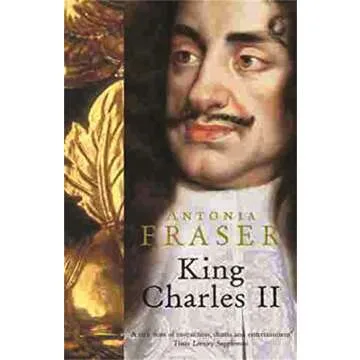
Recommended Reading on King Charles II
For those interested in learning more about this remarkable monarch, consider reading The Life and Times of Charles II and Charles II: The Power and the Passion.











 Continue with Google