


A Turning Point in Republican China
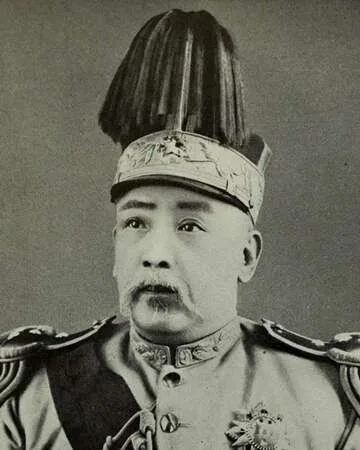
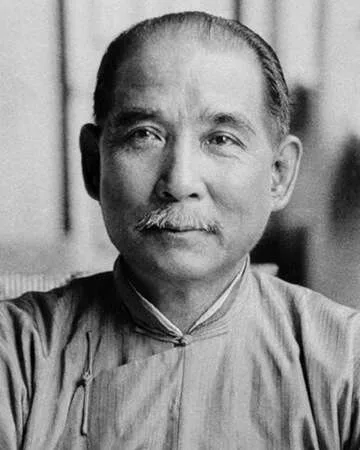
The year 1913 marked a significant shift in the landscape of the Republic of China, as the Second Revolution unfolded. This conflict, primarily between the government led by Yuan Shikai and revolutionaries supporting Sun Yat-sen, showcased the growing tensions in a nation still grappling with the aftermath of the Qing dynasty's fall. The revolution was initiated due to dissatisfaction with Yuan's consolidation of power and his attempt to establish a monarchy. In the midst of this turmoil, the Wuwei Corps, commanded by the loyalist general Zhang Xun, played a pivotal role in this historical narrative by capturing the significant city of Nanjing.
Zhang Xun: The Loyalist General
Zhang Xun was a prominent military figure during the early Republic of China, known for his loyalty to Yuan Shikai. His involvement in the Second Revolution came at a critical moment. Leading the well-trained Wuwei Corps, Zhang aimed to restore stability by physically engaging with the revolutionary forces. The capture of Nanjing was not merely a military victory but also a symbol of Yuan Shikai's authority over the rebellious south.
The Capture of Nanjing
In March 1913, Zhang and his troops executed a well-planned offensive that culminated in the capture of Nanjing, a crucial stronghold for the republican forces. This event effectively quelled the rebellion in the area, significantly bolstering Yuan Shikai's position. Nanjing's loss was a significant blow to Sun Yat-sen and his followers, leading to a stark shift in their strategies and ultimately forcing them into exile.
Consequences of the Revolution
The aftermath of the Second Revolution was profound as it set the stage for further political instability in China. The government, reinforced by the military successes of Zhang Xun, continued to centralize power under Yuan, undermining the notion of a democratic republic. The defeat experienced by Sun Yat-sen's faction instigated a series of events that ultimately led to increased factionalism within the country.
Sun Yat-sen's Flight to Japan
In the wake of Zhang Xun's military victory, Sun Yat-sen was forced into fleeing to Japan, marking a significant moment in his political career. This exodus highlighted the precarious nature of the republican movement and the growing chasm between the ideals of democracy and the autocratic tendencies of Yuan Shikai's regime. Sun's time in Japan would lead him to reevaluate his strategy and re-engage with both domestic and international communities in pursuit of support for his revolutionary cause.
The Decline of Chinese Independence
The event brought forth a troubling narrative of lost independence for many in China. The aspirations for a republic driven by the Revolution of 1911 were jeopardized by Yuan’s authoritarian trends which diluted the principles for which so many had fought. Zhang's actions not only solidified Yuan's control but also hindered the progress towards a more democratic and self-governing China.
Fun Fact
Zhang Xun's Unexpected Rebellion
Interestingly, despite his loyalty to Yuan Shikai, Zhang Xun would later become embroiled in his own rebellion, temporarily declaring himself a royalist in an attempt to restore the monarchy for a brief period before the ultimate collapse of imperial efforts in China.
Additional Resources
Recommended Reading on the Second Revolution
For those wanting to delve deeper into this historic event, consider reading "The Search for Modern China" by John King Fairbank and "China: A New History" by John King Fairbank and Merle Goldman, which provide insightful analysis about the complexities of this transformative period in Chinese history.













 Continue with Google