


The Secret Treaty of Dover: A Pact of Power
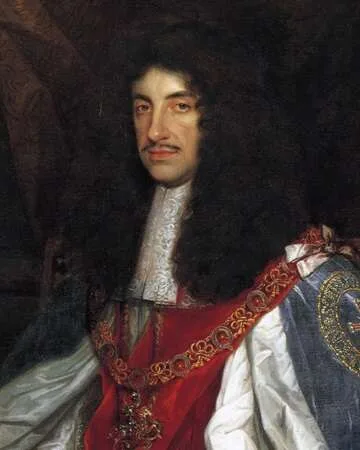
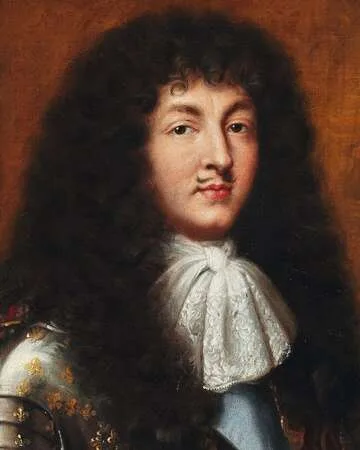
In 1670, an intriguing chapter in European diplomacy unfolded as King Charles II of England and King Louis XIV of France convened to sign a clandestine agreement known as the Secret Treaty of Dover. This treaty was a strategic move against the rising power of the Dutch Republic and heralded an era of political intrigue that would shape the course of European history.
The Characters Behind the Treaty
At the heart of this event were two remarkable monarchs. Charles II, who restored the English monarchy in 1660 after the tumult of the English Civil War, was characterized by his charming personality and a keen sense for diplomacy. His counterpart, Louis XIV, known as the Suns King, epitomized absolute monarchy and aimed to extend French influence across Europe. Together, they recognized that a united front against the Dutch, who were climbing to preeminence in maritime trade and military power, could solidify their positions.
Political Context of the Treaty
The Secret Treaty of Dover was not merely a simple alliance; it was the result of complex geopolitical dynamics. The treaty provided for military support and promised financial backing from Louis XIV to Charles II in exchange for the latter openly converting to Catholicism. This was a significant aspect of the treaty, reflecting the tension between Protestant England and Catholic France, and setting the stage for future conflicts.
The Consequences of the Treaty
The fallout from the Secret Treaty of Dover was immediate and far-reaching. The agreement led to England's participation in the Third Anglo-Dutch War, as Charles II sought to expand England's naval power and secure lucrative trade routes in the face of Dutch dominance.
Military Actions Following the Treaty
The subsequent military actions revealed the treaty's impact. In 1672, England allied with France to launch attacks against the Dutch, marking a significant moment in European military history. The war would not only change the balance of power in the region but also intensify the animosity between England and the Dutch, leading to enduring rivalries.
Public Response and Revelations
While the treaty was secretive, public opinion was inevitable as news slowly leaked out. Growing dissent ensued, particularly from Parliament, which was opposed to any Catholic influence in England's governance. This backlash would complicate Charles' rule and raise questions about his loyalty to his Protestant subjects and the implications of his proposed conversion.
Fun Fact
The Secret that Shook Nations
One interesting aspect of the Secret Treaty of Dover is that Charles II’s proposed conversion to Catholicism was not merely a personal choice; it was a strategic maneuver that highlighted the intense religious and political conflicts of the era, showcasing how alliances were often contingent upon personal beliefs and state interests.
Additional Resources
Recommended Reading on the Secret Treaty of Dover
For those interested in a deeper exploration of the Secret Treaty of Dover, consider "The Rise of the Dutch Republic" by John Lothrop Motley, or "This Accursed Land" by Anthony O'Sullivan, both of which provide incredible insights into the events and personalities of the time.











 Continue with Google