


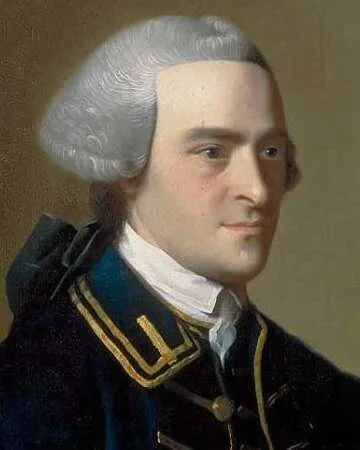
The Seizure of The Liberty: A Prelude to Revolution
The event known as the Seizure of The Liberty was a significant moment in the history of colonial America, marking a growing tension between British authorities and American colonists. On June 10, 1768, customs officials seized the ship owned by the famous merchant and patriot, John Hancock, under suspicion of illegal activities. Specifically, Hancock had allegedly unloaded cargo without paying the required import duties, a practice that was becoming increasingly problematic as the British government sought to enforce tighter regulations and taxation on its American colonies.
This seizure was more than just an isolated incident; it was indicative of the larger discontent brewing throughout the colonies. Hancock's ship, The Liberty, was not only a commercial vessel; it had become a symbol of colonial resistance against British oppression. The seizure ignited public anger and protests, as Hancock was a well-respected figure within Boston and a leader among the colonial merchants.
John Hancock: The Man Behind The Liberty
Born in Braintree, Massachusetts, in 1737, John Hancock rose to prominence as a wealthy merchant and an influential figure in the American Revolutionary movement. His lavish lifestyle and success in trade were often portrayed as a challenge to British economic policies, especially when the government imposed duties—seen as unfair—on goods imported to the colonies. The seizure of his ship was perceived not merely as an act against him personally, but as an attack on the entire colonial economy and way of life.
The Impact of The Liberty's Seizure on Colonial Sentiment
The repercussions of the seizure extended well beyond Hancock. It rallied Bostonians and eventually other colonists against perceived injustices, contributing to a fierce spirit of rebellion. The incident was pivotal in creating a sense of unity among the colonists, as they began to see the British governance as increasingly domineering. The protests that emerged in response highlighted the growing scream for autonomy and rights that were felt among colonists.
A Catalyst for Change in Colonial America
The Seizure of The Liberty can be seen as a crucial catalyst for the American Revolution, a precursor to events such as the Boston Tea Party and the eventual fight for independence. As tensions grew, colonists started banding together, proclaiming their rights and their refusal to be subjugated to British taxation without representation.
Public Reaction to The Liberty's Seizure
The public outcry following the seizure was swift and widespread. Supporters rallied in the streets of Boston, and resistance groups formed to coordinate actions against British customs officials. This collective outrage served as a foundation for political organization that would come to define the rebellion against British rule.
The Long-term Consequences of The Liberty Incident
The long-term effects of this incident included further enforcement of customs laws by the British, which only fueled additional resentment. As colonial unrest continued to swell in the years leading to the outbreak of armed conflict in 1775, events like the seizure of The Liberty remained monumental reminders of the escalating struggle for rights and sovereignty.
Fun Fact
Hancock's Bold Move
A lesser-known fact about John Hancock is that during the tense period following The Liberty's seizure, he managed to evade capture by the British, enhancing his reputation as a daring leader. His bold stand against British authority inspired many other colonists to join the revolutionary cause.
Additional Resources
Recommended Reading on John Hancock
For those interested in learning more about this pivotal figure, consider reading "John Hancock: Merchant King and American Patriot" by David B. Richman, which dives deep into Hancock's life and the broader context of his actions during the revolution.







 Continue with Google