


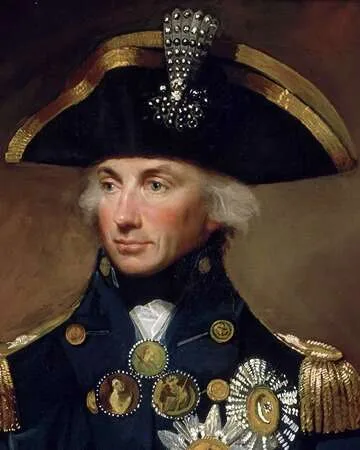
The Significance of Admiral Nelson's State Funeral
On January 9, 1806, the world witnessed a profound historical moment as Admiral Viscount Horatio Nelson was honored with a state funeral, following his death in the Battle of Trafalgar in 1805. This grand ceremony took place in St Paul’s Cathedral in London, a fitting tribute to a man who became a national hero in Britain. Nelson's contributions to British naval power were monumental, especially against the backdrop of the Napoleonic Wars, and his legacy would forever influence naval warfare and British history.
The state funeral was not merely a reflection of Nelson's military achievements; it was a grand spectacle designed to elevate his status to that of a national icon. The event showcased the unity of the nation in mourning yet also served to inspire patriotic fervor in a time of conflict.
Nelson's Lasting Legacy
The death of Horatio Nelson marked the end of an era; his victories had redefined naval warfare and established Britain as a formidable maritime power. His tactics during crucial battles, primarily at Trafalgar, were revolutionary, embracing aggressive strategies that would be studied for generations.
The Funeral Procession
Nelson’s state funeral was a sight to behold, featuring a lavish procession that included a grand carriage draped in black, escorted by sailors from the Royal Navy. The streets of London were lined with mourners who came to pay their respects, underscoring the deep-rooted affection and admiration the public had for him.
Inside St. Paul’s Cathedral
The ceremony within St Paul’s Cathedral was a culmination of ceremonial grandeur, attended by dignitaries, military officials, and the public. The cathedral was adorned with flags, and Nelson’s coffin was raised on a catafalque, enveloped in a sense of solemnity and reverence.
A Tribute to a National Hero
During this impactful service, elaborate speeches praised Nelson as a national hero, emphasizing his bravery and dedication to his country. These tributes served to immortalize him in the hearts of the British people.
The Final Resting Place
Nelson’s remains were interred beneath the dome of St Paul’s Cathedral, where a magnificent tomb was designed to commemorate his life and achievements. This location was symbolic, placing him among other British greats and ensuring that his legacy would be preserved for future generations.
Fun Fact
Nelson’s Unusual Burial Request
Interestingly, Admiral Horatio Nelson had requested not to be buried at sea as was common for naval officers. He wanted a proper funeral in his homeland, indicating his deep patriotism and connection to Britain.
Additional Resources
Recommended Reading on Admiral Horatio Nelson
For those intrigued by Horatio Nelson's life and legacy, consider reading "Nelson: A Biography" by Angus Konstam, which offers an in-depth look into his exploits and personal life. Another excellent resource is "The Life of Nelson" by Alfred Thayer Mahan, which explores his strategic mind and impact on naval history.













 Continue with Google