


The Alarming Statistics of Drug Overdoses
In March 2018, the Centers for Disease Control and Prevention (CDC) released shocking figures revealing that nearly 72,000 Americans died from drug overdoses in 2017, marking a steep increase of 10% compared to the previous year. This crisis has magnified the urgent need for effective strategies to combat the rising tide of addiction and its deadly consequences.
The Scale of the Epidemic
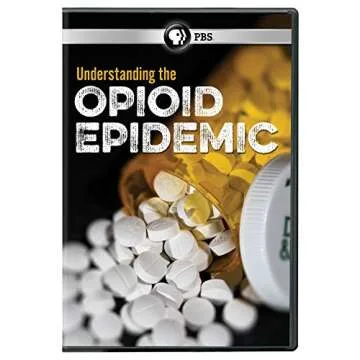
The statistics reported by the CDC paint a grim picture of the opioid epidemic gripping the United States. Among these overdose deaths, synthetic opioids, primarily fentanyl, have emerged as the primary culprit, contributing to a dramatic rise in fatalities. These substances, often mixed with other drugs, are significantly more potent than traditional opioids, leading to accidental overdoses.
Impact on Communities
The increase in drug overdose deaths has affected communities nationwide, stretching resources thin and burdening healthcare providers. Families have been irrevocably altered as loved ones succumb to addiction, illustrating the profound impact of this crisis beyond just statistics. It is a national emergency that has mobilized local governments, health organizations, and the community at large.
Efforts to Combat the Overdose Crisis
In response to these alarming statistics, various organizations and government agencies have intensified their efforts to address the overdose epidemic. Programs focusing on prevention, education, and access to treatment are being prioritized to reverse this tragic trend.
Government Initiatives
The federal government has responded with initiatives aimed at tackling the opioid crisis. Policies have been implemented to regulate prescription practices and increase access to medication-assisted treatment (MAT) for individuals struggling with addiction. These measures are crucial for helping those at risk of overdose.
Community and Grassroots Movements
Moreover, many community-led initiatives have emerged, focusing on awareness and prevention. Educational programs aim to inform the public about the risks associated with drug use, and support groups provide a safe space for recovery and discussion. Such grassroots movements are essential in creating a supportive environment for those in need.
Fun Fact
Did You Know?
The opioid crisis has drawn attention from various media outlets and celebrities, helping to destigmatize addiction and encourage open conversations about mental health and recovery options. This broader awareness is paving the way for more comprehensive solutions.
Additional Resources
Recommended Reading on the Opioid Crisis
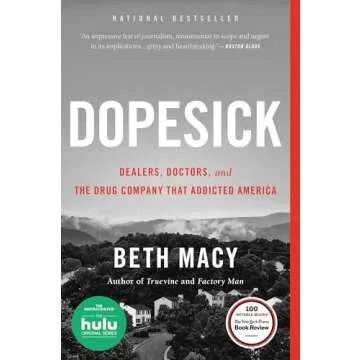
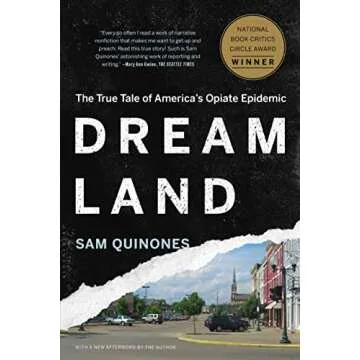
For those looking to delve deeper into this pressing issue, consider reading “Dopesick: Dealers, Doctors, and the Drug Company that Addicted America” by Beth Macy, which explores the origins and impact of the opioid epidemic. Another excellent resource is “Dreamland: The True Tale of America’s Opiate Epidemic” by Sam Quinones, which details the rise of heroin addiction in the U.S.







 Continue with Google