


The Historic Surrender in Wittenberg
In the year 1547, a significant chapter in the German Reformation culminated in Wittenberg when the Protestant German monarchs, vying for religious freedom against the Catholic Habsburg rule, surrendered to the formidable military might of Karl V, the Holy Roman Emperor. This event marked a pivotal moment that would shape the religious landscape of Germany and Europe.
The Protestant Monarchs' Struggle
The Protestant German monarchs, including figures like John Frederick I of Saxony, fought persistently for the rights of Lutherans to practice their faith freely and resist the pressures of Catholic doctrine. Their commitment to the reformed faith was deeply rooted in the teachings of Martin Luther, and thus, the struggle was not just political, but also profoundly spiritual.
Charles V’s Military Campaign
Facing resistance from these Protestant leaders, Karl V launched a military campaign aimed at consolidating his power and restoring Catholicism as the dominating force in Germany. His forces proved effective, employing strategies that would ultimately lead to the capture of Wittenberg and the surrender of its Protestant defenders.
Consequences of the Surrender
The surrender at Wittenberg not only constrained the Protestant movement momentarily but also showcased the tensions between the Protestant Reformation and the Catholic Church, which would lead to broader conflicts across Europe.
Aftermath for the Protestant Leaders
The aftermath of the surrender was significant for the Protestant leaders. They faced not only military defeat but also the potential loss of their political influence. Some leaders were imprisoned, while others managed to escape, but the cohesion of the Protestant unity was weakened.
Change in the Religious Landscape
The events of 1547 brought about a temporary halt to Protestant expansion, establishing a precedent for Habsburg influence in the region and contributing to future conflicts like the Thirty Years' War. Despite the setbacks, the spirit of reform and the quest for religious liberty persisted, seeds of which would later blossom into widespread Protestant movements.
Fun Fact
Unlikely Negotiations
Interestingly, despite the tension and hostilities, there were instances during this period of unlikely negotiations between Protestant and Catholic leaders, showing that the pursuit of peace and understanding was not entirely absent even in dire times.
Additional Resources
Recommended Reading on the Protestant Reformation
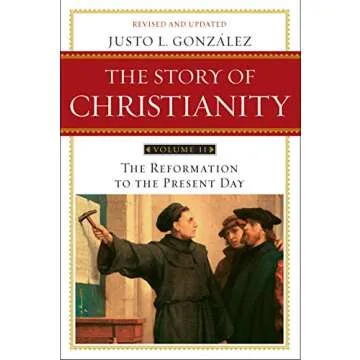
For those interested in exploring this pivotal period further, consider reading “Here I Stand: A Life of Martin Luther” by Roland Bainton, or “The Reformation: A History” by Diarmaid MacCulloch for an in-depth look at the causes and effects of the Reformation across Europe.









 Continue with Google