


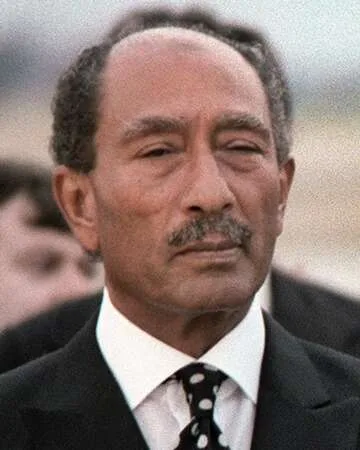
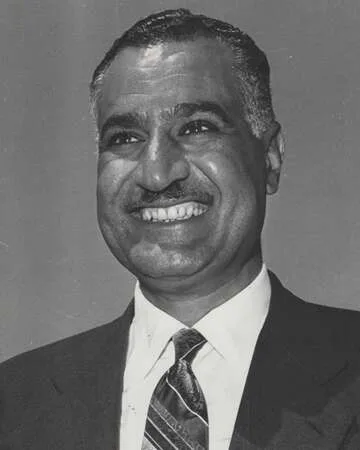
Anwar Sadat Takes the Helm of Egypt
In 1970, the political landscape of Egypt experienced a monumental shift as Anwar Sadat was appointed to replace the late Gamal Abdel Nasser as the acting President of Egypt. Following Nasser's untimely death on September 28, 1970, Sadat's assumption of power marked the beginning of a new era for the nation. Sadat had already been a prominent figure within Nasser's government, serving as Vice President since 1964, which positioned him well to lead the country during this significant transition.
Upon his ascension, Sadat faced numerous challenges, including a struggling economy and ongoing tensions with Israel. His leadership style began to reflect a departure from Nasser's political ideologies, as Sadat sought to shift Egypt's foreign policy and domestic agendas, focusing on peace and economic openness. In just a few months, Sadat would consolidate his power and go on to be officially elected President in October 1970.
Anwar Sadat and the Legacy of Nasser
The legacy left by Gamal Abdel Nasser was complex. Known for his pan-Arab nationalism and his significant role in the 1952 revolution, Nasser's policies had both supporters and critics. When Sadat stepped into leadership, many were skeptical about how he would navigate the deep-rooted political ideologies that Nasser had established. However, Sadat was determined to carve out his unique position in Egyptian history, which would involve a considerable policy shift.
Sadat's Vision for Egypt
Sadat envisioned a more open Egypt, both economically and politically. He aimed to modernize the country by implementing the "Infitah" policy, which aimed at opening up the Egyptian economy to foreign investment and reducing state control. Sadat understood that to stabilize and advance Egypt, reforms were essential, but they were not without controversy.
The Official Election of Sadat
Following his initial period as acting president, Anwar Sadat was officially elected in October 1970. His presidency would go on to be characterized by bold decisions, including the historic Camp David Accords with Israel. However, it was crucial to understand that his leadership style, distinctly different from Nasser's, had set the stage for these future diplomatic endeavors.
Challenges Faced by Sadat
Even as Sadat found himself in a position of power, he faced enormous challenges. The economy was faltering, and the need for modernization was critical. Bringing about the changes he envisioned meant navigating a tricky political landscape both domestically and internationally. Sadat’s willingness to engage with Western powers marked a dramatic pivot from Nasser's approach, leading to mixed reception among different factions in Egypt.
Sadat’s Legacy in the Middle East
As Sadat's presidency progressed, he established himself as a key player in Middle Eastern politics. His ability to engage in dialogue with Israel, culminating in the 1979 peace treaty, showcased a significant shift in diplomatic relations in the region. Although met with resistance at home, Sadat’s actions initiated an enduring legacy of peace discussions.
Fun Fact
Anwar Sadat’s Unique Approach to Leadership
Did you know that Anwar Sadat was the first Arab leader to visit Israel in 1977? This bold move underlined his commitment to peace in the region, illustrating his willingness to think outside the box established by his predecessor.
Additional Resources
Recommended Reading on Anwar Sadat
For those interested in a deeper exploration of Anwar Sadat's life and policies, I recommend reading "Sadat: Memoirs of a President" and "The Anwar Sadat Story". These texts provide rich insights into his transformative presidency and the geopolitical dynamics of his time.













 Continue with Google