


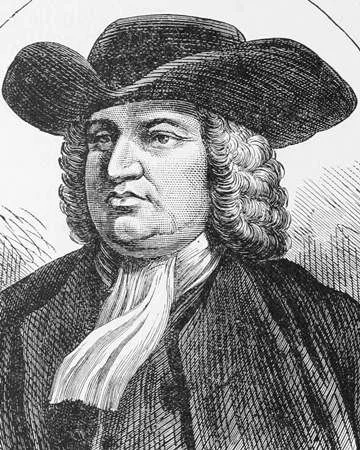
A Landmark Agreement: The Treaty of Shackamaxon
The Treaty of Shackamaxon in 1683 stands as a crucial moment in American history, marking a peaceful understanding between European settlers and Native Americans. Signed by William Penn, the founder of Pennsylvania, and Tamanend, a prominent leader of the Lenape tribe, this treaty reflected a commitment to mutually beneficial relationships and peaceful coexistence.
William Penn: A Visionary Leader
William Penn, born in 1644, was a notable Englishman and Quaker who sought to establish a colony in America where all individuals could practice their faith freely. His ideals were based on democracy and fair dealings, which he strongly believed extended to relations with Native Americans.
The Role of the Lenape Tribe
Tamanend, often referred to as "Tammany," was a wise chief of the Lenape, a native people who inhabited the region that is now Pennsylvania. Tamanend's leadership was characterized by his diplomatic approach, valuing harmony and cooperation over conflict.
Significance of the Treaty
The Treaty of Shackamaxon is heralded not just for its direct implications but also for its symbolic representation of peace between two cultures. This agreement allowed settlers to acquire land while respecting the rights and presence of the Native peoples, setting a precedent for future negotiations.
Key Provisions of the Treaty
The treaty included stipulations that focused on land rights and mutual respect. It marked a rejection of violence and conquest, emphasizing diplomacy and friendship. Penn and Tamanend’s signatures echoed a commitment to understanding, ensuring that both parties would benefit from the arrangement.
Lasting Legacies of the Agreement
While many treaties between Native Americans and settlers resulted in strife and injustice, the Treaty of Shackamaxon remains a symbol of what peaceful discourse could achieve. It has inspired later generations to pursue dialogue over aggression, highlighting the importance of respecting diverse cultures.
Fun Fact
The Legacy of Tamanend
Tamanend became a legendary figure not only for his leadership during the treaty but also for how he has been remembered in American folklore. His name, "Tammany," endures in various cultural references, including the famous Tammany Hall political organization in New York.
Additional Resources
Recommended Reading on William Penn and Tamanend
For those interested in learning more about this significant event and its key personalities, consider reading "William Penn: A Life" by Andrew R. Murphy and "The Lenape Nation: A History of the Lenape" by David J. Sokol. These works delve deeper into the lives and values of both men, exploring the wider implications of their historic agreement.









 Continue with Google