


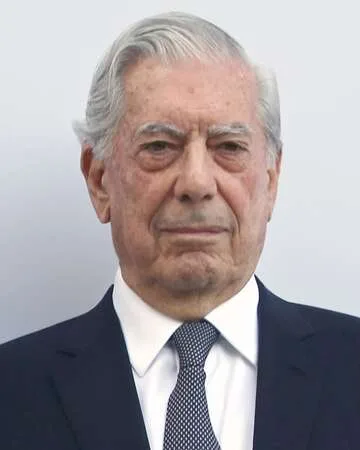
A Historical Overview of "The War of the End of the World"
Mario Vargas Llosa's Literary Genius
Mario Vargas Llosa, a renowned Peruvian novelist, published "The War of the End of the World" in 1981. This captivating narrative blends fiction with historical events, particularly the War of Canudos, a civil conflict that erupted in Brazil in the late 19th century. Llosa's work not only chronicles this clash but delves deeply into the socio-political climate of the time, making it a crucial read for those interested in Latin American history.
Insights into the Canudos Conflict
The War of Canudos was fought between the government of Brazil and the followers of a charismatic leader, Antonio Conselheiro. This part of the story is vividly brought to life by Vargas Llosa, who illustrates the struggles faced by the impoverished Brazilian people and the heavy-handed response from the government. His depiction of this conflict serves as a political allegory, touching on themes of power, religion, and social injustice.
The Impact and Reception of the Novel
Critical Acclaim and Controversy
Upon its release, "The War of the End of the World" garnered widespread acclaim for its intricate narratives and character development. Critics hailed it as a significant achievement in Latin American literature, blending rich prose with complex themes. However, Llosa's portrayal of the conflict also stirred controversy, particularly for how it interpreted historical truths and represented the figures involved.
Cultural Significance of Llosa's Work
This novel is vital not only as a historical account but also as a social commentary on the impacts of colonialism and systemic oppression. Vargas Llosa's ability to weave together personal stories with sweeping historical events allows readers to form a deeper connection to the characters and their struggles. Overall, the work encourages reflection on the cycles of violence and the quest for justice.
Fun Fact
Mario Vargas Llosa's Legacy
Mario Vargas Llosa was awarded the Nobel Prize in Literature in 2010, marking him as one of the most influential authors of his time. His contributions to literature extend beyond this one novel, impacting generations of readers and writers alike.
Additional Resources
Recommended Reading on Mario Vargas Llosa
For those interested in exploring more of Vargas Llosa's works, consider reading The Time of the Hero, Conversation in the Cathedral, and The Feast of the Goat. Each offers a unique perspective on issues of power and identity within the historical context of Peru and beyond.



 Continue with Google