


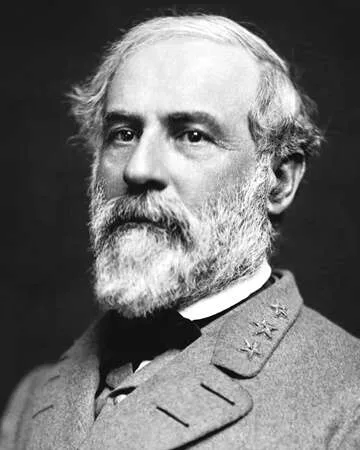
The Aftermath of the Battle of Gettysburg
The Battle of Gettysburg, fought from July 1 to July 3, 1863, marked one of the most significant turning points in the American Civil War. Following three grueling days of combat, General Robert E. Lee's Army of Northern Virginia made the crucial decision to withdraw from the battlefield. This withdrawal was not only a tactical retreat but also a moment that would resonate throughout the war.
General Lee's Strategic Decisions
General Robert E. Lee, a skilled military tactician, recognized that after the significant losses suffered during the battle, continuing to hold Gettysburg would further jeopardize his army. With over 51,000 soldiers either killed, wounded, or missing, the Confederate forces were in no condition to launch another offensive. Lee’s decision to withdraw was a hard, yet necessary choice to preserve his remaining forces for future engagements.
The Retreat Begins
The withdrawal process began on the night of July 4, with Lee's troops carefully pulling back to evade the pursuing Union forces. Under challenging conditions, including rough terrain and the threat of Union cavalry, the Confederate troops executed a cautious retreat. This careful planning allowed Lee to withdraw much of his army without facing further significant losses at the hands of Union soldiers.
The Impact of the Withdrawal
Lee's retreat from Gettysburg had profound implications for both the Confederate and Union forces. It marked the first major defeat for Lee in the Eastern Theater and significantly bolstered Union morale. Following Gettysburg, the Confederacy would struggle to regain its momentum in the war.
Union Pursuit and Consequences
After the battle, Union General George G. Meade sought to pursue Lee's army, yet his forces were exhausted and unable to capitalize fully on their victory. The missed opportunity to intercept Lee's retreating army would later be a point of contention among historians and military strategists regarding the decisions taken during this pivotal moment.
Long-Term Effects on the Civil War
Lee’s withdrawal from Gettysburg not only changed the immediate tactics but also shifted the overall morale and strategy within the Civil War. The Union’s victory at Gettysburg, coupled with the fall of Vicksburg on July 4, marked a turning point in the war, leading to a sustained campaign aimed at dismantling the Confederate armies and ultimately preserving the Union.
Fun Fact
The Midnight Retreat
Interestingly, the actual withdrawal of Lee's army began in the dark of night, making it a remarkable feat of military strategy and execution. The fact that they managed to retreat quietly and without significant confrontation is a testament to Lee's military prowess and the discipline of his troops.
Additional Resources
Recommended Reading on Gettysburg
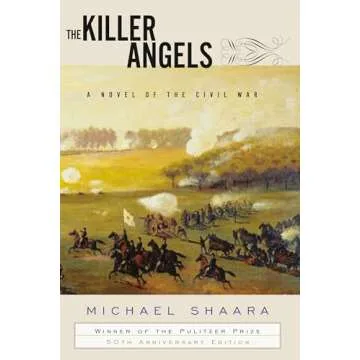
For those looking to delve deeper into the events and significance of the Withdrawal from Gettysburg, consider reading The Killer Angels by Michael Shaara, which provides a narrative perspective on the battle. Additionally, Gettysburg: The Last Invasion by Allen C. Guelzo offers a detailed historical account of this pivotal event.









 Continue with Google