


The Historic Inauguration of Thomas Jefferson
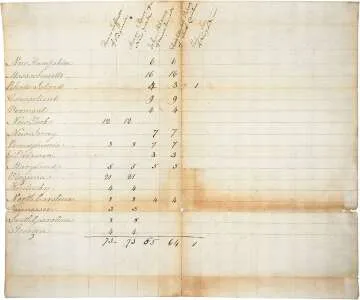
The year 1801 marked a significant milestone in American history with the inauguration of Thomas Jefferson, who became the first US President to be inaugurated in Washington, D.C.. This event not only symbolized a new beginning for the United States but also rooted the nation's capital as the center of democracy. Jefferson, a key figure in the American Revolution and a principal author of the Declaration of Independence, took office amidst a nation brimming with optimism and challenges.
Thomas Jefferson's Journey to Presidency
Prior to his inauguration, Thomas Jefferson served as the Vice President under John Adams and was a leading voice for the Democratic-Republican Party. His victory in the 1800 election was pivotal, ushering in a shift from Federalist to Democratic-Republican leadership. This transition in power is often referred to as the "Revolution of 1800," signifying the resilience of the American democratic system.
The Location: Washington, D.C.
The choice of Washington, D.C. as the site for Jefferson's inauguration highlighted the city’s growing importance. Conceptualized by George Washington and designed by Pierre Charles L'Enfant, the capital was envisioned as a symbol of national unity. Jefferson's oath of office took place at the Senate chamber of the Capitol, marking a new era for the federal government.
A New Era Begins
Jefferson's inauguration laid the groundwork for pivotal policies that would shape the nation. His presidency emphasized principles of individual rights, limited government, and agrarian democracy, which resonated with many Americans. The peaceful transfer of power during this event became a cornerstone of American democracy, solidifying the belief in electoral integrity and citizen participation in governance.
Jefferson's Vision for America
During his administration, Thomas Jefferson promoted an agrarian society where the yeoman farmer was the ideal citizen. His vision included westward expansion, the Louisiana Purchase in 1803, and the promotion of public education, all aimed at nurturing a self-sufficient America, which reflected the republic's democratic ideals.
Influence on Future Inaugurations
The significance of Jefferson’s inauguration extended beyond 1801; it established traditions and precedents for future presidential inaugurations. Jefferson's decision to walk to his inauguration, rather than ride in an elaborate coach, set a tone of humility and accessibility that would characterize future leaders.
Fun Fact
Jefferson's Unique Inauguration Ceremony
Interestingly, Thomas Jefferson is known for having delivered his inaugural address in a calm and understated manner, which resonated with his intention to promote unity in a divided nation. This set a precedent for subsequent presidents to focus on more humble, modest functions in political tone.
Additional Resources
Recommended Reading on Thomas Jefferson
For further exploration into the life and impact of Thomas Jefferson, consider reading "Thomas Jefferson: The Art of Power" by Jon Meacham and "The Jefferson Rule: How the Founding Fathers Became Infallible and Our Politics Inflexible" by David S. Heidler.










 Continue with Google