


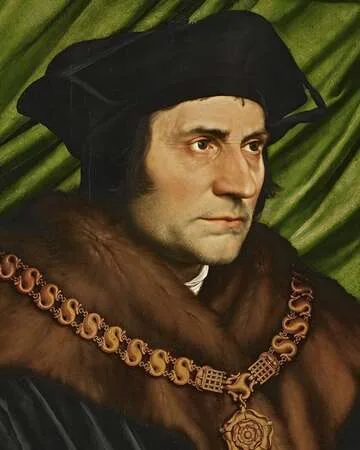
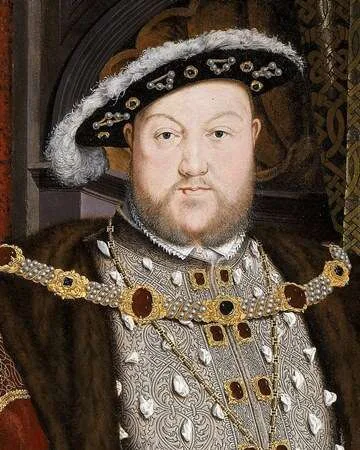
The Trial of Thomas More in 1535
The year 1535 marked a pivotal moment in the life of Sir Thomas More, a prominent English lawyer, philosopher, and statesman. More was put on trial for treason after he notably refused to acknowledge King Henry VIII as the supreme head of the Church of England, a stance contrary to the King’s ambitions to separate from the Roman Catholic Church. This trial was not merely a legal proceeding; it was steeped in the struggle between faith and political power during a tumultuous time in English history.
Background of Thomas More
Sir Thomas More was born in 1478 in London, England. He was well-educated and became one of the most esteemed humanists of his time, known for his work, Utopia, which critiqued contemporary European society. More served in various roles, including as the Lord Chancellor of England, but his deep commitment to his Catholic faith ultimately led to his conflict with King Henry VIII, especially after the King initiated his split from the Catholic Church.
The Charges Against More
In 1534, the Act of Supremacy was enacted, declaring Henry VIII the supreme head of the Church of England. More’s refusal to accept this act led to charges of high treason. During his trial, evidence against him was largely based on hearsay and manipulated testimonies, showcasing the political motivations behind his prosecution.
Significance of the Trial
The trial of Thomas More is significant not just for its outcome, but for what it represented in the broader context of religious freedom and the authority of the monarchy. More’s steadfast belief in the Pope’s authority displayed the conflict between allegiance to personal convictions and the pressures of political demand.
More’s Defense
During the trial, More maintained a dignified defense, staying true to his principles. He famously stated that he could not allow his conscience to submit to the King’s demands, showcasing the hallmarks of his moral and ethical beliefs.
The Verdict and Its Consequences
Ultimately, More was found guilty of treason and was executed on July 6, 1535. His death was a shocking confirmation of King Henry VIII’s resolve to rid England of dissent regarding his ecclesiastical reforms, and it solidified More’s legacy as a martyr for religious freedom.
Fun Fact
Thomas More’s Final Words
As Thomas More was led to his execution, he famously declared, "I die the king's good servant, but God's first." This statement encapsulated his commitment not only to his faith but also to his understanding of duty.
Additional Resources
Recommended Reading on Thomas More
For a deeper exploration of Thomas More's life and ideals, consider reading “A Man for All Seasons” by Robert Bolt, which vividly portrays More's moral dilemmas and the atmosphere of his time.









 Continue with Google