


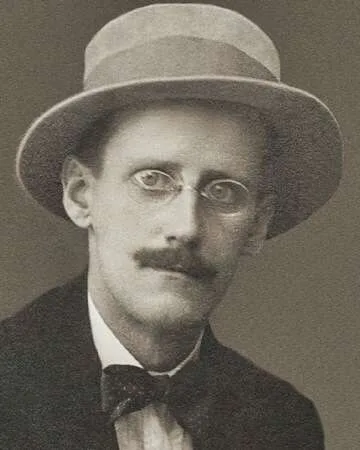
The Landmark Ulysses Court Case
In 1934, a pivotal moment in literary history took place when the United States Court of Appeals upheld a lower court's ruling that effectively struck down the government's attempt to ban James Joyce's controversial novel Ulysses. This ruling was not just a triumph for Joyce and his supporters, but also a significant victory for freedom of expression and the rights of authors and publishers.
The Case Against Ulysses
The saga began when Ulysses was deemed obscene by customs officials, who feared that its content would corrupt the morals of the public. The novel, which follows the life and thoughts of its protagonist Leopold Bloom over the course of a single day in Dublin, was viewed by some as a challenge to social norms. The initial ban meant that copies of the book could not be imported into the United States, leading to a heated legal battle.
The Role of Judge John M. Woolsey
Central to the case was Judge John M. Woolsey, who presided over the trial in 1933. Woolsey's ruling was groundbreaking; he argued that although some sections of Ulysses contained frank depictions of sexuality and language that might be deemed offensive, the book as a whole was not obscene. He proclaimed that it was a significant work of art that deserved a place in American literature and culture.
The Impact of the Ruling
This momentous decision paved the way for Ulysses to be recognized in the United States as a classic work of literature. By overturning the ban, the court allowed the book to be published, sold, and read freely, marking a significant turning point for literary censorship in the country.
The Influence on Literary Freedom
With the ban lifted, Joyce's Ulysses inspired a generation of writers, pushing boundaries of narrative and expression. The case set a precedent that would resonate in future legal battles concerning literature and obscenity, reinforcing the idea that artistic expression must be protected.
Resistance to Censorship
The ruling was celebrated by authors and intellectuals who saw it as a stand against censorship. It ignited discussions about the importance of literary works that challenge societal norms and the responsibilities of the government to uphold freedoms rather than impose restrictions.
Fun Fact
Joyce's Ulysses: A Controversial Classic
Despite the controversy, Ulysses has since been hailed as one of the greatest novels of the 20th century, showcasing Joyce's innovative style and deep psychological insight.
Additional Resources
Recommended Reading on Ulysses
For those interested in diving deeper into this literary phenomenon, consider reading James Joyce's Ulysses and Ulysses Explained by Stuart Gilbert. These texts offer rich insights into Joyce's intentions and narrative techniques.





 Continue with Google