


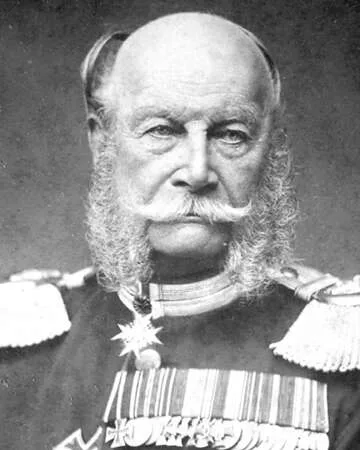
The Legacy of Wilhelm I
Wilhelm I was born on March 22, 1797, in Berlin, then part of the Kingdom of Prussia, within the Holy Roman Empire. He ascended to the throne as the King of Prussia in 1861 and later became the first German Emperor in 1871 following the unification of Germany. His reign marked a transformative period not only for Prussia but for the entire German landscape, shaping the course of European history.
Wilhelm I as King of Prussia
As King of Prussia, Wilhelm I was pivotal in the political maneuvering that sought to unify the German states. His collaboration with the talented Chancellor Otto von Bismarck laid the groundwork for the unification. Under his leadership, the Franco-Prussian War (1870-1871) consolidated German unity—it was during this conflict that Wilhelm's leadership was characterized by a blend of military strategy and diplomatic skill.
The Unification of Germany
Upon the victory over France, the German Empire was formally proclaimed in the Hall of Mirrors at the Palace of Versailles on January 18, 1871. Wilhelm I was declared the German Emperor, a title that symbolized the strength and unity of the new empire. This unification had long-lasting implications for German identity and international relations.
The Lasting Impact of Wilhelm I
Wilhelm I ruled until his death on March 9, 1888. His leadership played a crucial role in the forging of a powerful German Empire that impacted both regional and global dynamics. His cautious and prudent approach to governance helped stabilize the burgeoning empire during its formative years.
Wilhelm I's Administrative Reforms
Under Wilhelm I, various administrative reforms were introduced, strengthening the bureaucratic structures within Prussia. He encouraged modernization initiatives that improved military efficiency and economic growth, laying the groundwork for Germany’s future industrial prowess.
The Rise of Nationalism and Military Power
Wilhelm I's reign coincided with a surge in nationalism across Europe. While promoting a sense of unity among the German states, his militaristic policies contributed to an arms race that would ripple through European politics in the subsequent decades, setting the stage for future conflicts.
Fun Fact
A Special Celebration of Wilhelm I
Interestingly, Wilhelm I was known for his love of amenities and had a passion for gardening, often tending to the royal gardens at his residences. This hobby served as a personal retreat from the stresses of ruling.
Additional Resources
Recommended Reading on Wilhelm I
For more in-depth exploration of Wilhelm I’s life and impact on German history, consider reading "The German Empire: A History 1871-1918" and "Bismarck and the German Empire". These works delve deeper into his reign and the broader historical context.





 Continue with Google