


William Petty Takes Office as Prime Minister
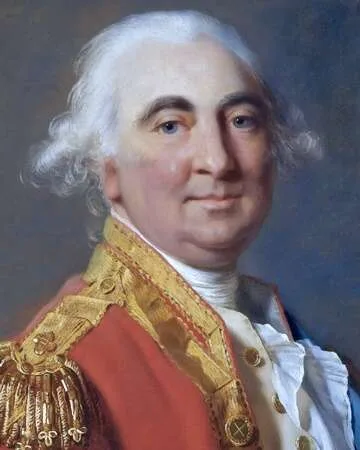
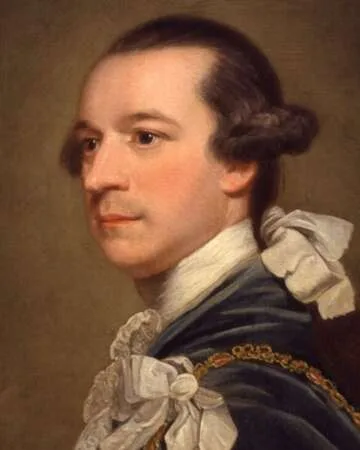
On April 2, 1782, William Petty, the 2nd Earl of Shelburne, ascended to the esteemed position of Prime Minister of Great Britain. His appointment followed the untimely death of Charles Watson-Wentworth, 2nd Marquess of Rockingham, which created a leadership vacuum in the government. Petty's rise to power came at a critical time, as Britain was grappling with the aftermath of the American Revolutionary War, and his administration was poised to influence the future direction of British politics.
William Petty's Early Life and Political Career
Born in 1737, William Petty was educated at Christ Church, Oxford, and became involved in politics at a young age. He was known for his keen intellect and diplomatic skills, which helped him navigate the complex political landscape of 18th-century Britain. Before becoming Prime Minister, he held various positions, including First Lord of the Admiralty and Secretary of State for the Southern Department, which equipped him with the necessary experience to lead the country.
The Challenges Facing Petty's Government
Upon taking office, Petty faced significant challenges. The American Revolutionary War had left the British economy in turmoil, and public sentiment was fraught with anger over the loss of the American colonies. Petty aimed to bring about peace with the American colonies, which necessitated forging new diplomatic relationships and addressing grievances both domestically and internationally.
Petty's Accomplishments as Prime Minister
During his brief tenure, which lasted only until March 1783, William Petty made notable strides in economic reform and foreign policy. He was committed to reducing the national debt and stabilizing the economy. Furthermore, his administration saw the initial steps toward peace negotiations with the American colonies, culminating in the eventual Treaty of Paris.
William Petty's Legacy in British Politics
Although his time in office was short-lived, Petty's policies laid the groundwork for reform within the British government. His tenure was marked by an attempt to modernize the political system and respond to the changing tides of public opinion and governance.
The End of Petty's Premiership
After leaving office, William Petty remained an influential figure in British politics. His resignation marked a shift towards a new leadership era in the wake of the complicated socio-political landscape post-war. Petty's contributions and challenges during his premiership continue to be studied by historians as part of the broader narrative of British governance in the late 18th century.
Fun Fact
William Petty's Interesting Fact
William Petty is often remembered for his role in the peace negotiations with the United States, which eventually led to Britain's recognition of American independence—a significant turning point in world history.
Additional Resources
Recommended Reading on William Petty
For those interested in exploring more about William Petty’s life and career, consider reading "The Earl of Shelburne and the Race for America" and "The History of England: From the Revolution to the Present Time". These works provide deeper insights into his political strategies and contributions during a transformative era.






 Continue with Google