


Woodrow Wilson's Stance on Mexican Leadership
President Wilson and the Mexican Revolution
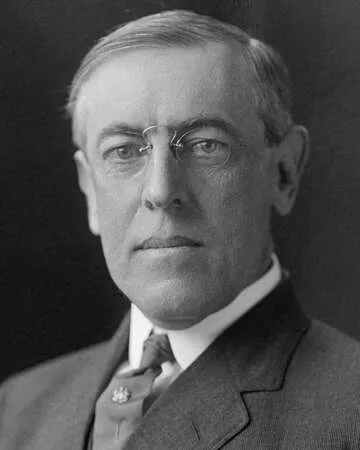
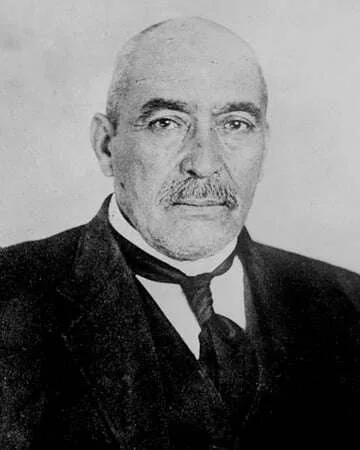
In 1913, President Woodrow Wilson found himself addressing a critical situation in Mexico, where the ongoing Mexican Revolution was creating widespread instability. Wilson, who had promised non-intervention in foreign conflicts, faced pressure as he watched Victoriano Huerta maintain a tyrannical grip on power, despite widespread discontent among the Mexican populace.
Wilsonian Diplomacy and Pressure Tactics
Just less than a week after reiterating a non-interventionist stance, Wilson had a change of heart and decided to publicly demand that Huerta resign. This shift not only displayed Wilson's commitment to supporting democracy, but also underlined his disapproval of Huerta's oppressive regime, which had ousted the democratically-elected President Francisco I. Madero.
The Diplomatic Fallout
Impact on US-Mexico Relations
Wilson's demand added a layer of complexity to US-Mexico relations. It illustrated his willingness to intervene diplomatically, even when he had pledged otherwise. In expressing hope for a democratic Mexico, Wilson's actions set a precedent for American involvement in Latin American politics, reshaping perceptions of US authority in the region.
Huerta’s Response
In the face of Wilson's strong demands, Huerta stood his ground, asserting his legitimacy as President despite increasing international pressure. His refusal, fueled by a combination of nationalism and a desire to maintain power, would become a pivotal moment in the ongoing conflict that consumed Mexico and would lead to further US interventions.
Fun Fact
Woodrow Wilson’s Interest in Democracy
Interestingly, Wilson's pressure on Huerta reflected his broader vision of promoting democracy worldwide, a concept that later shaped his principles during World War I. He firmly believed that ensuring democratic governments would foster peace and stability.
Additional Resources
Recommended Reading on Woodrow Wilson and the Mexican Revolution
For those interested in exploring more about this chapter in history, consider reading "Woodrow Wilson: A Biography" by John Milton Cooper Jr. and "The Mexican Revolution: A Short History 1910-1940" by Stuart Easterling.





 Continue with Google