


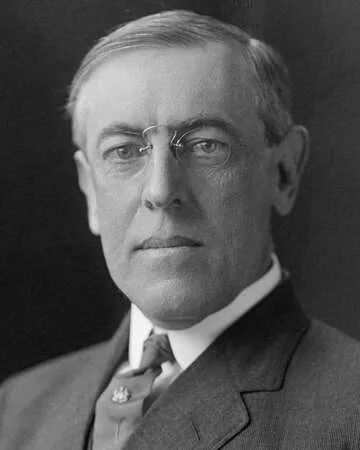
President Woodrow Wilson's Neutrality Message
On August 19, 1914, U.S. President Woodrow Wilson delivered a pivotal message to the Senate, urging the American people to embrace a policy of neutrality amidst the escalating tensions of World War I. At this time, Europe was engulfed in conflict, and Wilson recognized the need for the United States to remain apart from the fray, prioritizing peace and stability over involvement in foreign wars.
Woodrow Wilson's Vision for America
President Wilson believed that America’s role should be one of peace and not of provocation. He articulated this vision by emphasizing the importance of being "neutral in thought as well as action." Wilson maintained that the U.S. should not take sides but rather focus on promoting diplomacy and dialogue. His administration worked to provide humanitarian aid to nations affected by the war without becoming embroiled in military conflicts.
Political Climate and Public Sentiment
At the time, public sentiment in the United States was largely isolationist. Many Americans were war-weary and concerned about the impact of the conflict on domestic life. Wilson’s message resonated with a populace seeking to avoid the horrors that had beset European nations. As such, his call for neutrality aligned with the desires of many citizens who wished to prevent American bloodshed.
The Impact of the Neutrality Stance
Wilson's call for neutrality had significant ramifications for U.S. foreign policy during the early stages of World War I. Neutrality allowed the United States to maintain its trade relations and economic interests without direct involvement in the conflict.
Trade and Diplomacy Under Wilson
Despite his plea for neutrality, Wilson faced challenges as various factions sought U.S. support for their causes. The U.S. economy continued to thrive through trade with the Allies, which later complicated the neutrality stance when American interests began to wane.
Escalation Towards War
As the war progressed and incidents such as the sinking of the Lusitania occurred in 1915, Wilson's neutrality stance began to fracture. The American public’s tolerance for international tensions dwindled, leading to a series of events that ultimately resulted in U.S. involvement in World War I in 1917.
Fun Fact
Woodrow Wilson's Interesting Fact
Interestingly, Wilson was the first U.S. President to hold a doctorate, which he earned in political science. His academic background deeply influenced his beliefs about governance and diplomacy, including his commitment to neutrality during the tensions of World War I.
Additional Resources
Recommended Reading on Woodrow Wilson
For those interested in exploring more about President Wilson and his policies, consider reading "Woodrow Wilson: A Biography" by John Milton Cooper Jr. or "Wilson" by A. Scott Berg. Both books provide in-depth insights into Wilson's life and presidency.





 Continue with Google