


The Historic Nuclear Test of 1962
Overview of the 1962 Nuclear Test
The 1962 nuclear test conducted by the United States at the Nevada Test Site marked a significant moment in the Cold War era, showcasing the determination of the U.S. to demonstrate its nuclear capabilities. This particular test, code-named "Daisy," was part of a larger series of tests that took place under the high-stakes atmosphere of nuclear arms race following the Soviet Union's advancement in nuclear technology.
The Impact of the Test on Global Politics
This nuclear test had profound implications for both domestic and international politics. By openly conducting tests, the U.S. aimed to reinforce its position against the Soviet Union, portraying a sense of strength and resilience during a period rife with tensions. It also escalated the arms race, prompting discussions and debates regarding nuclear disarmament globally.
Technical Aspects of the Test
Details of the Nuclear Device Used
The device tested during this event was a thermonuclear weapon, a type of nuclear bomb that employs fusion to release energy. The yield of the explosion was significant, exemplifying the advancements in nuclear weaponry. The test not only validated past research but also set the stage for further developments in U.S. nuclear technology.
Environmental and Human Consequences
The fallout from such tests led to serious concerns regarding environmental impact and health risks for nearby residents and military personnel. This test, among others, sparked ongoing discussions about the ethical implications of nuclear testing, as it became clear that the effects of radiation could have detrimental effects beyond the immediate area.
Fun Fact
Daisy Nuclear Test’s Interesting Fact
Interestingly, the Daisy test was one of the last atmospheric nuclear tests conducted by the U.S., as increasing public outcry and international pressure led to the Limited Test Ban Treaty of 1963, which banned nuclear testing in the atmosphere, underwater, and in space.
Additional Resources
Recommended Reading on US Nuclear Testing
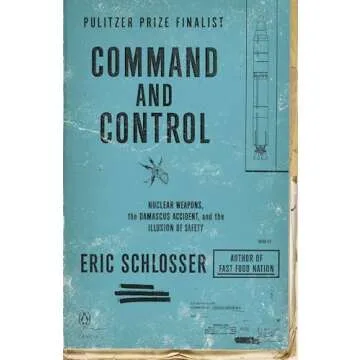
For those interested in delving deeper into the topic, consider reading “Command and Control” by Eric Schlosser, which examines the management of nuclear weapons, or “The Making of the Atomic Bomb” by Richard Rhodes, which provides a comprehensive history of nuclear research and testing.







 Continue with Google