


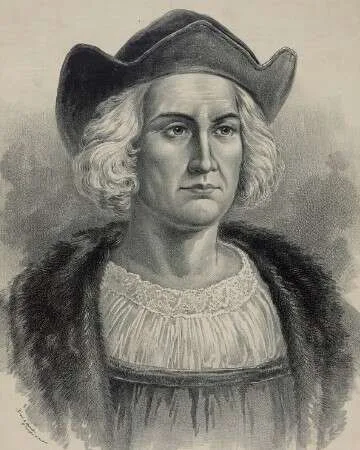
The First Encounter: Columbus's Landing in South America
In the year 1498, one of history's most significant voyages occurred as Christopher Columbus set foot on South American soil for the first time. Arriving near the mouth of the Orinoco River, in what is now modern-day Venezuela, this moment marked a pivotal point in the Age of Exploration. Columbus's fourth voyage aimed to discover a passage to Asia, but instead, he became one of the first Europeans to explore the northern coast of South America.
This landing was not only monumental for Columbus but also for the broader narrative of European colonization in the Americas. Although Columbus had previously explored parts of the Caribbean, his arrival on the South American mainland opened new pathways for exploration and conquest, signaling an era that would profoundly impact the indigenous populations and the continents' future.
Columbus’s Journey to Venezuela
Columbus's journey to South America began on May 11, 1498, when he set sail from Spain on his fourth voyage with a fleet of four ships. After navigating the challenging waters of the Caribbean, he reached the coast of Venezuela. There, he was met with the lush landscape and vibrant cultures of indigenous tribes, a stark contrast to the islands he had previously encountered.
The Significance of the Orinoco River
The Orinoco River, one of the longest rivers in South America, provided Columbus with insight into the vastness of the continent. During his time at the river, Columbus noted the size and richness of the land, which would fuel further European interest in the area and lead to subsequent expeditions seeking to exploit its resources.
Aftermath: The Impact of Columbus's Discovery
The landing of Columbus in South America had profound implications that reverberated through the centuries. Although he believed he had reached Asia, his discovery highlighted the existence of an entirely new world that was rich in resources and cultures, enticing European powers to claim, explore, and colonize these lands.
Cultural Encounters in South America
The encounter between Columbus and the indigenous peoples of South America marked the beginning of a tragic timeline that would see drastic changes to native societies. Columbus and his crew reported interactions with native tribes which often included misunderstandings, conflict, and violence sparked by encroaching European interests.
Columbus’s Influence on Future Expeditions
The landing was a catalyst for future European exploration and colonization, as it encouraged others to follow in Columbus's footsteps. His voyages demonstrated the potential for riches in South America, leading figures like Hernán Cortés and Francisco Pizarro to embark on quests that would reshape the continent.
Fun Fact
Columbus Had Mixed Feelings About His Discovery
Interestingly, upon landing, Columbus reportedly believed he was nearing the fabled riches of Asia and did not fully comprehend the significance of the continent he had discovered. This misinterpretation showcases the limited understanding Europeans had at the time about the world beyond their horizon.
Additional Resources
Recommended Reading on Christopher Columbus
For those interested in delving deeper into the life and voyages of Christopher Columbus, consider reading "Columbus and the Quest for a New Line of Longitude" and "A People’s History of the New World". These books provide an insightful perspective on his journeys and their impact on history.





 Continue with Google