


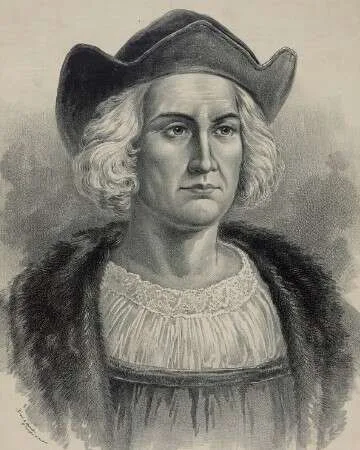
Significance of Columbus's Landing at the Orinoco
In 1498, during his third voyage to the New World, Christopher Columbus made a significant stop at the mouth of the Orinoco River, in present-day Venezuela. This event marked an important expansion of European knowledge regarding South America and opened the doors for future exploration and colonization by the Spanish. Columbus's landing at the Orinoco is notable as it was one of the first times that Europeans encountered the wider continent and its diverse indigenous cultures.
Columbus's Encounter with the Orinoco
Upon arriving at the shores of the Orinoco River, Columbus was captivated by the vastness of the river and its potential for trade and navigation. He described the river as large enough to be perceived like a great lake and was particularly intrigued by the local indigenous tribes, who lived along its banks. In his interactions, Columbus noted the wealth of the land and its resources, further igniting the European appetite for exploration!
The Indigenous Peoples of the Region
During his journey, Columbus encountered several indigenous groups, including the Quechua and Carib tribes. His reports illustrated a vibrant society rich in culture and resources. However, these early contacts also foreshadowed the colonization struggles and conflicts that would soon arise between European powers and indigenous populations in the Americas.
Impact on European Exploration
Columbus’s landing at the Orinoco had lasting implications for South America and the Caribbean. This moment essentially represented the West's increasing ambition towards asserting dominance over the New World territories, leading to a race among European powers to claim land.
The Beginning of Spanish Colonization
The information Columbus gathered during this stop prompted subsequent Spanish explorations and conquests throughout South America. It paved the way for the eventual establishment of Spanish colonies, which would exploit the resources of the region and lead to significant cultural exchanges, but also to devastating consequences for the indigenous peoples.
Differences in Treatment of Indigenous Populations
Columbus's interactions left a mixed legacy. While he documented aspects of native cultures and their territories, the conquest that followed was often characterized by violence and exploitation. Understanding Columbus’s encounter at the Orinoco requires a nuanced perspective on how exploration often entailed colonial ambitions that disregarded the rights and lives of indigenous populations.
Fun Fact
Columbus's Mysterious Navigation Challenges
Interestingly, during his journey to the Orinoco, Columbus faced several navigation challenges, including inaccurate maps and unknown waters. His reliance on local knowledge from Indigenous peoples was instrumental in his explorations, showing a fascinating aspect of early transatlantic navigation.
Additional Resources
Recommended Reading on Christopher Columbus
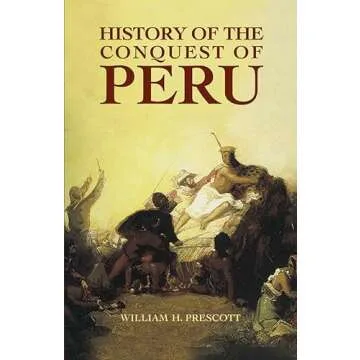
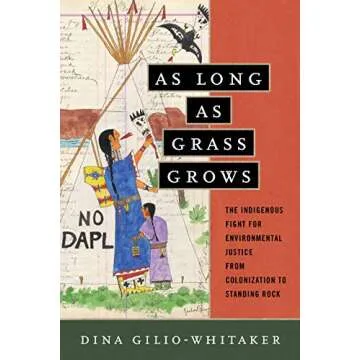
For those looking to dive deeper into Columbus's voyages, consider reading "A People's History of the New World" by Vine Deloria Jr. and "1491: New Revelations of the Americas Before Columbus" by Charles C. Mann. These works provide insightful perspectives on the impacts of European exploration on indigenous cultures.




 Continue with Google