


The Circumstances Leading to William Mumford's Execution
The execution of William Mumford in 1862 remains one of the most controversial events during the American Civil War. Mumford was a Confederate loyalist in New Orleans, a city steeped in vibrant cultural conflict between Union and Confederate sympathizers. His act of removing and destroying the U.S. flag displayed over the New Orleans Mint symbolized a profound rejection of the Union’s authority and sparked a national outrage that led to dire consequences.
The Act of Defiance by William Mumford
William Mumford's pivotal act occurred in response to the Union's capture of New Orleans. On April 27, 1862, after a Union fleet took control of the city, Mumford climbed to the flagpole of the New Orleans Mint and took down the American flag that signaled Union control. In an act of open rebellion, he famously tore the flag apart and publicly burned it. This act was viewed not only as an insult but a direct challenge to the Union’s legitimacy in a city that was now firmly under federal control.
General Benjamin Butler’s Ruthless Response
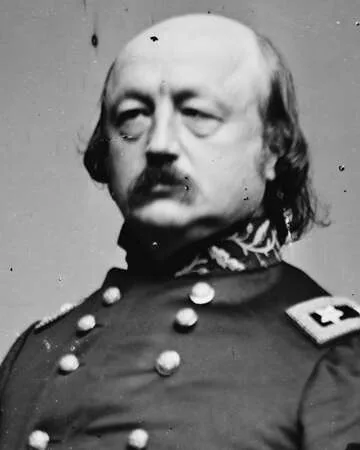
Union General Benjamin Butler, known for his harsh measures against Confederate sympathizers, took swift action following Mumford's defiance. Butler believed that Mumford’s actions warranted a severe response to demonstrate to the residents of New Orleans that the Union would not tolerate such insubordination. He ordered Mumford's arrest, and despite public outcry, the military tribunal found him guilty of treason and sentenced him to hang.
The Execution and Its Aftermath
The execution of William Mumford took place on June 7, 1862. His hanging became emblematic of the deep divisions present in the South during the Civil War, as it incited both outrage and support from both sides of the conflict. For many Confederates, Mumford was seen as a martyr who bravely stood against an occupying force. Meanwhile, Union supporters believed his execution served as a necessary deterrent against Confederate sympathizers.
The Legacy of William Mumford
The legacy of William Mumford endures as a stark reminder of the tensions prevalent during the Civil War. His execution not only highlighted the brutal realities of the conflict but also sparked conversations about the limits of freedom, loyalty, and the responsiveness of military rule in occupied territories. This incident contributed to the growing discourse on civil liberties during wartime.
Benjamin Butler's Controversial Reputation
General Butler's reputation after the incident further entrenched him as a polarizing figure in Civil War history. Some viewed his actions as necessary to uphold order, while others criticized him for being excessively punitive. The execution of William Mumford was a pivotal moment that showcased the complexities of command decisions in wartime.
Fun Fact
The Symbolism of the Flag Incident
Interestingly, the act of burning the U.S. flag has historically resonated with various groups as a form of protest. Mumford's act was not merely an act of vandalism; it was a deeply symbolic gesture of resistance against what many in the South perceived as Northern aggression.
Additional Resources
Recommended Reading on William Mumford
For those interested in exploring further, consider reading The Civil War: A Narrative by Shelby Foote, which provides a detailed account of the Civil War, including events surrounding New Orleans. Another insightful read is Battle Cry of Freedom by James M. McPherson, covering broad themes and significant incidents from the war.









 Continue with Google