


The Historical Context of Holland’s Pledge
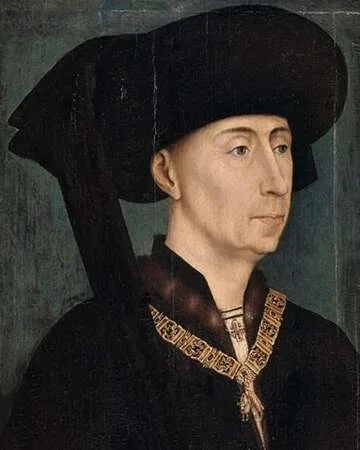
In the early 15th century, the regions of Holland and Zealand were characterized by a complex political landscape influenced by several noble houses and the rising power of the Burgundian Dukes. In 1425, Duke John VI of Brabant made a significant decision that would shape the future of these territories. By pledging the areas of Holland and Zealand to Philip the Good of Burgundy, he was not only securing his own political standing but also aligning these regions with one of the most powerful rulers of the time.
Philip the Good, known for his strategic marriages and territorial expansion, had ambitions to consolidate his power in the Low Countries. This pledge not only reflected the shifting allegiances among the regional rulers but also marked a critical moment whereby the influence of the Burgundian Netherlands expanded, setting the path for future dynastic and territorial conflicts in the region.
Duke John VI of Brabant
Duke John VI of Brabant was a pivotal figure in this event, serving as a bridge between local nobility and broader European power struggles. His decision to pledge Holland and Zealand to Philip the Good can be seen as a move to enhance his own power and influence within a turbulent political environment. By associating with Burgundy, he aimed to fortify Brabant's defenses against rival noble houses and assert dominance over their contested territories.
Philip the Good’s Political Aspirations
Philip the Good was not simply a ruler; he was a visionary leader whose ambitions went beyond mere territorial gain. His reign marked a significant period of cultural and economic prosperity, as he embraced the arts and promoted trade within his dominions. The pledge of Holland and Zealand provided him not only with strategic military advantages but also with access to the vital resources and trade networks of these prosperous regions, enhancing his reputation across Europe.
The Impact of the Pledge on Regional Politics
The pledge of Holland and Zealand to Philip the Good had far-reaching consequences for the political dynamics of the region. It marked the beginning of Burgundian hegemony in the Low Countries, which would eventually lead to the formation of a significant territorial entity in Northern Europe. This maneuver also set the stage for future conflicts among local powers, as various factions sought to either support or oppose Burgundian influence.
Consolidation of Burgundian Power
By acquiring Holland and Zealand, Philip the Good was able to solidify his control over the Low Countries. This not only provided him with military resources but also facilitated a more coherent governance structure in the region, allowing for greater administrative efficiency and economic development. The pledge was a turning point that showcased Philip’s strategic acumen in expanding his dominion.
Consequences for Local Nobility
The local nobility faced uncertainty following the pledge. While some saw the benefits of aligning with Burgundian power, others viewed it as a loss of autonomy. This created rifts within the nobility, leading to various uprisings and alliances aimed at either reclaiming lost power or solidifying support for Philip’s rule. The consequences of this pivotal event echoed through the centuries, impacting the socio-political landscape of the Netherlands.
Fun Fact
Philip the Good’s Colorful Influence
One interesting fact about Philip the Good is his significant influence on the art and culture of his time. He famously sponsored several artists, including the renowned painter Jan van Eyck, whose works are celebrated for their vibrant use of color and detail, ultimately laying the groundwork for the Northern Renaissance.
Additional Resources
Recommended Reading on Philip the Good
For those interested in delving deeper into this period of history, consider reading The Burgundian Netherlands by Mark A. Meadow. This book offers insights into the dynamic political landscape of Philip the Good's reign and the socio-economic transformations that occurred during this pivotal era.




 Continue with Google