


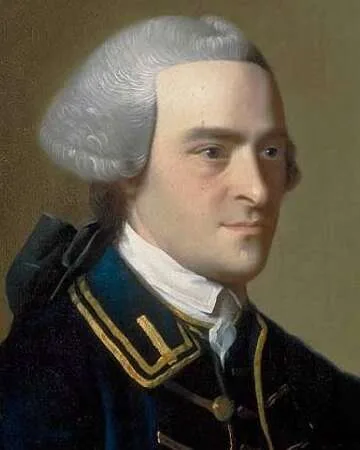
The Momentous Election of John Hancock
On May 24, 1775, a pivotal moment unfolded in American history when John Hancock was unanimously elected as the **President of the Continental Congress**. This event came at a time of escalating tensions between the American colonies and British authorities, setting the stage for the revolutionary fervor that would soon engulf the nation. Hancock's leadership would be instrumental in mobilizing support for the American cause and working towards independence.
John Hancock's Role in the Continental Congress
John Hancock, known for his prominent signature on the Declaration of Independence, was already a well-respected leader in the colonies by the time of his election. His charisma and ability to unite people made him a natural choice for this crucial role. As president, Hancock presided over the Congress while it developed plans to resist British rule, pushing for greater autonomy and self-governance.
Significance of Hancock's Presidency
Hancock's presidency wasn't merely a title; it represented a shift towards full-scale rebellion against British oppression. Under his guidance, the Continental Congress began to assume more power, ultimately leading to the decision to declare independence in 1776. His leadership was vital in rallying both public and military support during the early stages of the American Revolution.
Legacy of John Hancock's Leadership
The legacy of John Hancock's leadership is honored to this day. His election as president marked a significant turning point in the push for American independence. Hancock's ability to articulate the aspirations of the colonies inspired many, and his signature on the Declaration of Independence serves as a lasting symbol of his commitment to freedom and the nation.
Hancock's Lasting Influence
Hancock's influence extended beyond his presidency; he later became the first governor of Massachusetts and continued to support revolutionary efforts. His financial contributions to the war effort were also notable, as he funded several patriot causes that were critical for the fight against British rule.
John Hancock's Leadership During Crisis
Throughout his tenure, Hancock demonstrated resilience during moments of crisis. He had to navigate the challenges posed by British military action and dissent among various factions within the colonies. His adept leadership not only secured support for the revolutionaries but also fostered a sense of unity among the disparate colonies.
Fun Fact
John Hancock's Famous Signature
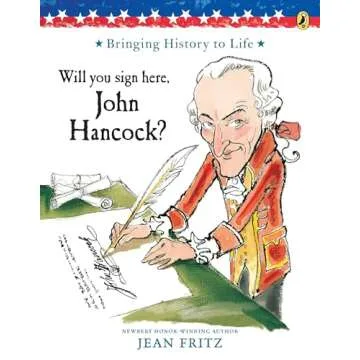
One of the most fun and interesting facts about John Hancock is that his signature is so bold and large on the Declaration of Independence that it has become synonymous with signing one’s name. His name has since transformed into an informal term for a signature!
Additional Resources
Recommended Reading on John Hancock
If you want to explore more about John Hancock and his contributions, consider reading "John Hancock: A Life" by James Srodes or "Hancock: The Revolutionary Leadership of John Hancock" by Mark Lender.







 Continue with Google