


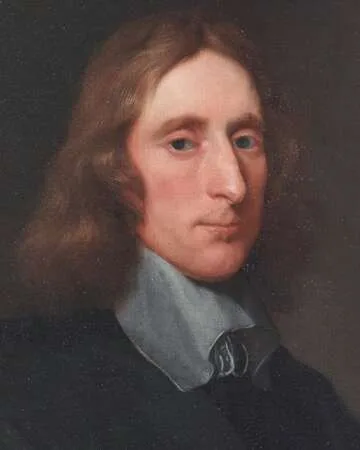
The Historical Significance of Richard Cromwell's Death
On July 12, 1712, the death of Richard Cromwell, the last Lord Protector of the Commonwealth of England, Scotland, and Ireland, marked the end of an era in English history. Cromwell's leadership from 1658 to 1659 was fraught with challenges as he attempted to maintain the legacy of his father, Oliver Cromwell. Richard’s tenure as Lord Protector was short-lived, yet it played a crucial role in the legacy of the Commonwealth and the transition back to monarchy.
Richard Cromwell: Life and Legacy
Born in 1626, Richard Cromwell was raised amidst the turmoil of the English Civil War. He became known as the "Tumbledown Dick" due to his struggles in the political arena compared to his father’s commanding presence. Despite significant obstacles, his leadership attempted to unify a fragmented nation, balancing the demands of the army with the needs of the gentry.
The Challenges Faced by Richard Cromwell
During his brief rule, Richard struggled to maintain control as various factions vied for power. His inability to establish firm authority; combined with dissatisfaction among his supporters, ultimately led to the dissolution of his government in 1659. His resignation illustrated the difficulties of leadership in a time characterized by political strife and unrest.
The Impact of Richard Cromwell's Death on Britain
Richard Cromwell's death at the age of 85 came after a long life filled with complexities. He passed away in a period when Britain was gradually moving away from republicanism back towards the restoration of royalty. His legacy remained a point of reflection for historians as they examined the transient nature of power and governance during this tumultuous period.
The Reaction to Richard Cromwell's Death
Cromwell's passing in 1712 was met with little public fanfare, a testament to the changing political climate following the Restoration of the monarchy in 1660. It also signified the end of a profound chapter in the history of the Commonwealth, where his family's influence had waned.
Richard Cromwell's Contribution to English History
From Parliament to the Protectorate, Richard's contributions, albeit overshadowed by his father's legacy, are integral in understanding the complexities of the period. He served as a reminder of the challenges faced by leaders trying to navigate the turbulent waters of a transitioning government.
Fun Fact
Did You Know?
Richard Cromwell is often remembered for his penchants for writing and philosophy, enjoying a quieter life post-protectorship in relative anonymity. His understated approach to life contrasted sharply with the tumultuous political stage on which he once stood.
Additional Resources
Recommended Reading on Richard Cromwell
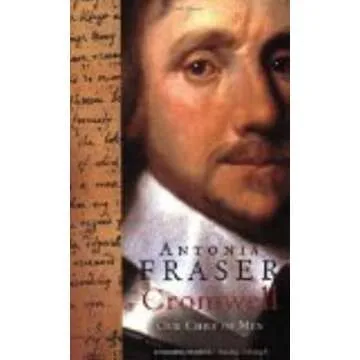
For those looking to explore further, consider reading “The Cromwellian Protectorate: The English Civil War and its Aftermath” by C. V. Wedgwood, or “Oliver Cromwell and the English Civil War” by Henry McIlwain, to delve deeper into the history surrounding Richard's tumultuous life.






 Continue with Google