


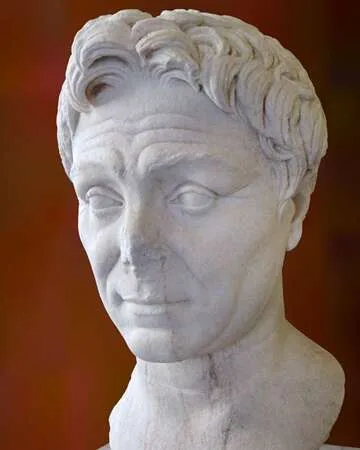
Pompey’s Magnificent Celebration
The year 61 BC marked a significant moment in the life of Pompey the Great, as he celebrated his third triumph in grand style. This event came on his 45th birthday, a day that combined personal joy with a public spectacle showcasing his illustrious military achievements. The triumph was not just a celebration of victory but also a demonstration of Pompey’s power and influence in the Roman Republic.
Pompey’s triumphant procession through the streets of Rome featured a display of spoils, captives, and elaborate decorations that dazzled citizens. It was an occasion filled with fanfare, as the Roman people gathered to honor a commander who had dealt significant blows to both piracy and external threats.
The Significance of Pompey's Victories
The triumph was primarily in recognition of Pompey's victories over the pirates who plagued the Mediterranean and the ending of the Mithridatic Wars. His military campaign against these formidable opponents not only secured trade routes but also restored peace across the seas, which was crucial for Rome’s economic stability. Pompey’s reputation as a formidable military leader was solidified through these achievements, garnering him widespread acclaim.
Public Perception of Pompey
Events like this triumph shaped public perception of Pompey. They celebrated him not only as a military hero but also as a leader who prioritized the safety and interests of Rome. His ability to conquer pirates and defeat King Mithridates VI of Pontus made him a national hero, and the third triumph served to reinforce this image among the Roman populace.
A Day of Pageantry and Reflection
Pompey’s third triumph was a day filled with extraordinary pageantry. The streets of Rome were lined with spectators eager to witness the spectacle, reflecting the deep respect and admiration held for Pompey. This event was a moment for the Roman citizens to reflect on their security and prosperity, guaranteed by such military efforts.
Elements of the Triumph
Among the elements of the triumph, the triumphal arch served as a crucial symbol. It not only marked Pompey's route but also celebrated the themes of victory and glory. In addition to the extravagant chariots and lavishly adorned troops, a key component was the presence of captured enemies, who were paraded to show the might of Rome under Pompey's command.
The Political Context of Pompey’s Triumph
This triumph also had significant political implications. It asserted Pompey’s status at a time when he was not only a military leader but also a powerful political figure in Rome. By publicly showcasing his achievements, Pompey underscored his influence and established himself as a critical player in shaping Rome's future.
Fun Fact
Pompey’s Interesting Fact
On the day of his third triumph, Pompey was also basking in the glory of being one of the most celebrated generals of his time, celebrated for his strategic mind and military skills, which paved the way for reforms in the Roman military system.
Additional Resources
Recommended Reading on Pompey the Great
For those interested in exploring more about Pompey the Great and his achievements, consider reading "The Life of Pompey" by Plutarch and "Pompey: A Political Biography" by Andrew Lintott, both of which provide deep insights into his life and times.












 Continue with Google