


The Historic Nuclear Test of 1977
The year 1977 marks a significant moment in the era of nuclear testing, particularly for the Soviet Union, which was actively involved in nuclear arms development during the Cold War. On July 5, 1977, the USSR conducted a nuclear test at Novaya Zemlya, an archipelago located in the Arctic Ocean. This event was one of several tests carried out by the USSR, aimed at demonstrating its nuclear capabilities and furthering its military goals.
The Significance of Novaya Zemlya
Novaya Zemlya was a chosen site for nuclear tests due to its remote location, which minimized the risk of contamination and maximized the government's ability to control the test environment. The Novaya Zemlya test site was pivotal for the Soviet Union, serving as a backdrop for over 120 nuclear explosions since the 1950s. Its geographical advantages allowed the USSR to proceed with extensive testing while under international scrutiny.
The 1977 Nuclear Test
The July 5, 1977, test is noted for being conducted underground, a method designed to reduce the fallout and environmental impact compared to atmospheric testing. This approach was part of an increasing global emphasis on control over nuclear testing following international pressures and the emergence of various disarmament treaties. Despite this, the test symbolized the continuing arms race during the Cold War.
The Response to the Test
The international reaction to the 1977 nuclear test was mixed, with various countries monitoring developments closely. The test raised concerns about the escalation of nuclear weapons programs globally. As nations observed the Soviet Union's advancements, discussions around nuclear proliferation intensified, leading to renewed calls for treaties aimed at reducing nuclear arms.
Global Impact of the 1977 Test
The 1977 nuclear test had broad implications for international relations, exacerbating tensions between the USSR and the West, particularly the United States. The nuclear arms race continued to dominate discussions in political spheres, with nations striving for a balance between military readiness and global peace.
The Path to Nuclear Disarmament
Following the events in 1977, the nuclear debate moved forward into the late '70s and '80s, culminating in several disarmament initiatives. The recognition of the dangers posed by nuclear weapons began to take precedence over the competitive postures held between superpowers. While the Soviet test symbolized military strength, it also paved the way for discussions that would later lead to significant treaties aimed at nuclear disarmament.
Fun Fact
Interesting Insight about Novaya Zemlya
Interestingly, the name 'Novaya Zemlya' means "New Land" in Russian, and the archipelago serves as a stark reminder of the Cold War era's intensive military activities, leaving behind ecological impacts that are still being studied today.
Additional Resources
Recommended Reading on Nuclear Testing
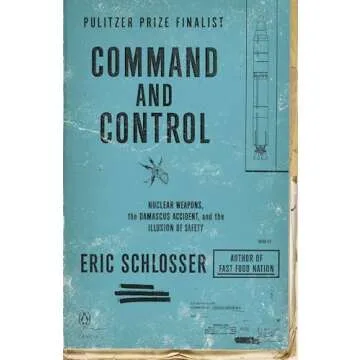
For those interested in delving deeper into the topic of nuclear tests and their implications, consider reading "Command and Control" by Eric Schlosser, which explores the complexities of nuclear weapons, and "Nuclear Weapons and Foreign Policy" by Henry Kissinger, which examines the political dimensions of nuclear armament.










 Continue with Google