


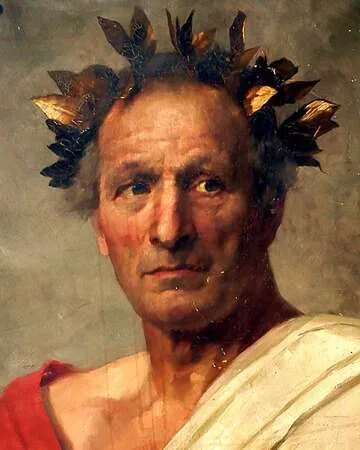
Overview of the Battle of Alesia
The Siege and Its Key Players: Vercingetorix and Julius Caesar
The Battle of Alesia, fought in 52 BC, marked a pivotal moment in the Gallic Wars. This significant conflict between the Roman forces led by Julius Caesar and the Gallic tribes under the leadership of Vercingetorix culminated with the surrender of the Gallic chieftain. Alesia's defenses, a fortified position on a hill, became the site where Vercingetorix made his last stand against the advancing Roman legions.
Military Strategies at Alesia
The battle was notable not just for its outcome but for the innovative military tactics displayed by both sides. Caesar's strategy involved constructing a series of fortifications to encircle Vercingetorix's forces while simultaneously defending against relief efforts made by the Gauls. The Romans used a combination of siege works and defensive structures to maintain their grip on the battle.
The Aftermath of the Battle
The Surrender of Vercingetorix
Following a relentless siege and intense fighting, Vercingetorix ultimately surrendered to Julius Caesar. This act was more than just a personal defeat; it represented a significant shift in the balance of power in Gaul, leading to Roman dominance in the region.
The Impact on Gaul and Rome
The Battle of Alesia had far-reaching consequences. It effectively marked the end of significant Gallic resistance to Roman rule, paving the way for further annexation and control by Rome over Gaul. Caesar's victory also enhanced his reputation and political power back in Rome, ultimately playing a crucial role in his future ambitions.
Fun Fact
Vercingetorix’s Unique Strategy
Interestingly, Vercingetorix displayed remarkable foresight by using scorched earth tactics before the siege, destroying resources to prevent the Romans from supplying their army, which showcased his strategic military mind.
Additional Resources
Recommended Reading on the Battle of Alesia
For those interested in exploring further, consider reading The Gallic Wars by Julius Caesar himself, or delve into Vercingetorix: A Biography by John W. Wriggle for a detailed account of this iconic leader and the battle that defined his legacy.





 Continue with Google