


The Formation of the Committee
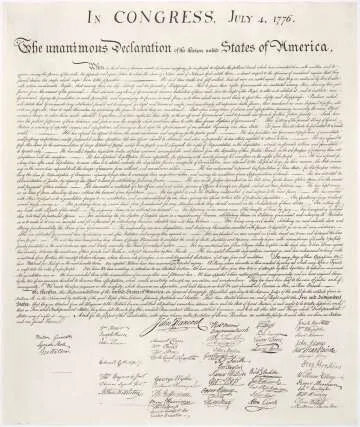
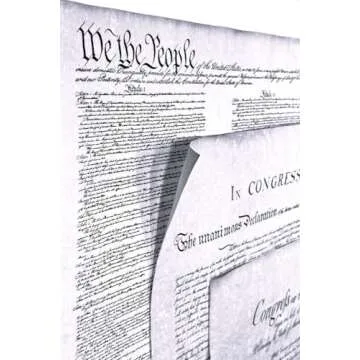
On June 11, 1776, the Continental Congress convened and made a pivotal decision that would change the course of American history. They appointed a committee tasked with drafting a Declaration of Independence. This historic moment came as tensions between the thirteen American colonies and Great Britain continued to escalate.
The Members of the Committee
The committee comprised five influential figures: Thomas Jefferson, John Adams, Benjamin Franklin, Roger Sherman, and Robert R. Livingston. Each member brought unique perspectives and philosophies, with Jefferson often taking the lead in articulating the colonies' grievances.
Thomas Jefferson's Role
Thomas Jefferson, a young lawyer from Virginia, was chosen to write the initial draft. His eloquence and radical ideas about liberty made him a natural choice. Jefferson's words would eventually resonate with millions, asserting that “all men are created equal” and endowed with certain unalienable rights.
Debate and Adoption
Following the drafting process, the committee presented the Declaration to Congress on June 28, 1776. The document underwent rigorous debate and revisions, reflecting the varied opinions within the Congress.
The Declaration's Key Principles
The final document outlined several key tenets. Among the most revolutionary were the assertions of individual rights and the concept of government deriving its power from the consent of the governed, paving the way for a new political philosophy.
Significance of the Declaration
On July 4, 1776, the Declaration of Independence was officially adopted, marking a turning point in American history. It not only declared the colonies' independence from Britain but also inspired various movements for freedom across the world.
Fun Fact
The Curious Case of the Signing
The Declaration was not signed on July 4, 1776, as is commonly believed. The actual signing began weeks later, with most delegates putting their names down on August 2, 1776.
Additional Resources
Recommended Reading on The Declaration of Independence
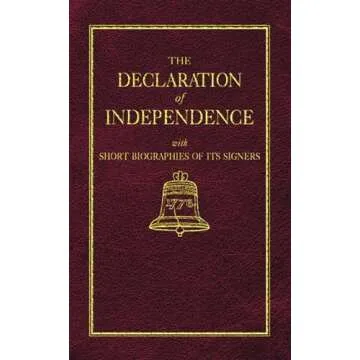
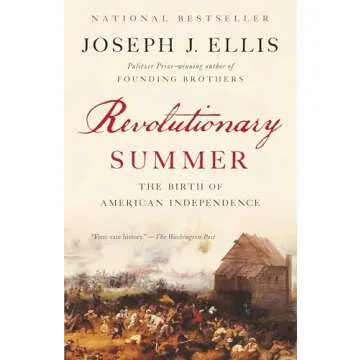
For those interested in exploring further, consider reading “The Declaration of Independence: A Global History” by David Armitage or “The Radicalism of the American Revolution” by Gordon S. Wood. Both books provide insightful perspectives on this foundational document and its implications throughout history.







 Continue with Google