


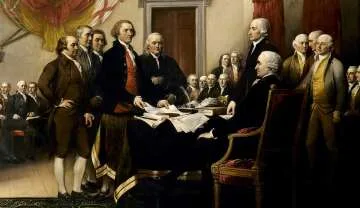
The Birth of a Nation: Understanding the Declaration of Independence
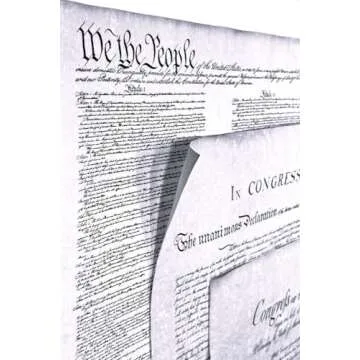
The Declaration of Independence, adopted by the Second Continental Congress on July 4, 1776, marked a defining moment in American history. This pivotal document announced the colonies' desire to break free from British rule, asserting their rights to self-governance. The Declaration eloquently expressed the colonies' frustrations and justified their break from Great Britain, setting the stage for the American Revolution.
Significance of the Declaration of Independence
The Declaration of Independence served not just as a statement of intent but also as a framework for the new American identity. It laid the foundation for the values of freedom, equality, and democracy that would shape the nation. The phrase "all men are created equal" resonated powerfully, influencing future movements for social and political change.
Key Figures behind the Declaration of Independence
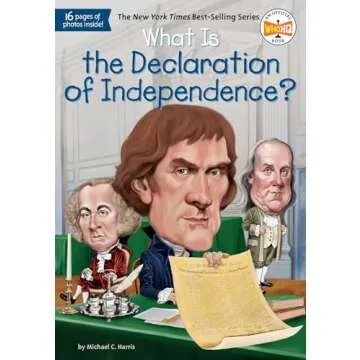
Prominent Founding Fathers, including Thomas Jefferson, John Adams, and Benjamin Franklin, played crucial roles in drafting and promoting the Declaration. Jefferson, as the principal author, infused the document with Enlightenment ideals, emphasizing individual rights and the consent of the governed.
The Path to Freedom: The Events of 1776
The struggles faced by the American colonies in the years leading up to 1776 were monumental. Increasing taxes, lack of representation in Parliament, and harsh British measures fueled discontent. The colonies sought not only independence but also the establishment of a government that would ensure their rights.
Influence of Enlightenment Ideas
The political philosophies of Enlightenment thinkers like John Locke greatly impacted the Declaration's content. Locke's ideas on natural rights and government by consent provided a compelling rationale for independence and helped articulate the colonists' grievances.
The Continental Congress' Role
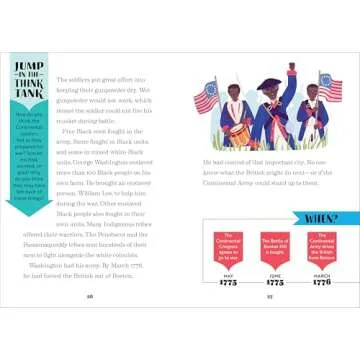
The Second Continental Congress gathered in Philadelphia in 1775, serving as a united front for the colonies. The decision to declare independence was not taken lightly; it was the culmination of years of frustration and conflict with British authorities, culminating in the need to formally declare their separation.
Fun Fact
The Declaration's Lasting Impact
Did you know that the Declaration of Independence is not just a foundational American document? Its ideals have inspired numerous democracies around the world and numerous human rights movements, showcasing its enduring legacy beyond the shores of America.
Additional Resources
Recommended Reading on the Declaration of Independence
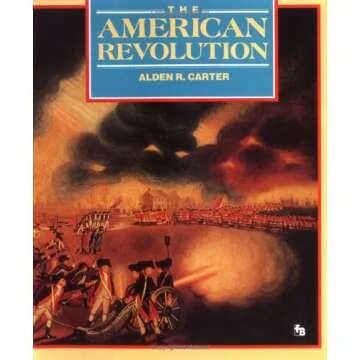
For those interested in delving deeper, consider reading "The Declaration of Independence: A Global History" by David Armitage and "The American Revolution: A History" by Gordon S. Wood. These texts offer rich perspectives on the Declaration's global significance and the revolutionary era.







 Continue with Google