


Understanding Edward Winslow's Impact on American History
Edward Winslow's Early Life
Edward Winslow was born in 1595 in Droitwich, Worcestershire, England. Coming from a significant historical period marked by religious discord, he became a prominent figure among the British separatists. As a youth, Winslow was drawn to the Separatist movement, which sought to break away from the Church of England, shaping his future aspirations.
The Role of Edward Winslow in Plymouth Colony
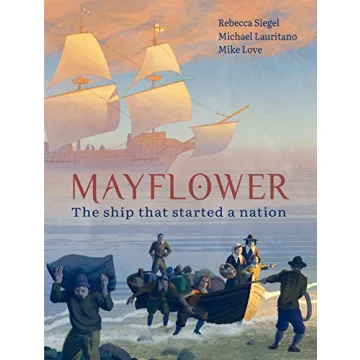
In 1620, Edward Winslow made the perilous journey aboard the Mayflower, landing at what is now known as Plymouth, Massachusetts. As one of the founders of the Plymouth Colony, he played a critical role in establishing the community, upholding the values of freedom and self-governance that were paramount to the settlers.
Edward Winslow's Contributions and Legacy
Leadership and Governance
As a leader in the colony, Winslow was elected as the colony's governor multiple times, demonstrating his trusted status among the settlers. He was known for his diplomatic skills, particularly during interactions with Native American tribes, which were crucial for the colony's survival.
Edward Winslow’s Writings and Historical Documentation
Edward Winslow is also recognized for his writings, which provide invaluable insight into the early years of Plymouth Colony. His journal and letters documented the struggles and triumphs of the settlers, contributing to a greater understanding of early American history. These accounts showcase the hardships faced by the colonists and the foundational experiences that shaped the new society.
Fun Fact
Edward Winslow’s Interesting Contribution
Interestingly, Edward Winslow was one of the first attendees at the first Thanksgiving in 1621. His account of the event, which celebrated the successful harvest alongside the Wampanoag tribe, has become a vital part of American cultural heritage.
Additional Resources
Recommended Reading on Edward Winslow
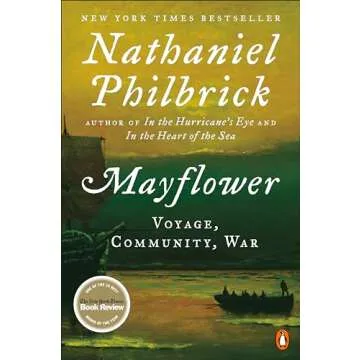
For those interested in deeper exploration, consider reading "Of Plymouth Plantation" by William Bradford for context on early colonial life, or "Mayflower: A Story of Courage, Community, and War" by Nathaniel Philbrick for a more comprehensive narrative around this seminal moment in American history.




 Continue with Google