


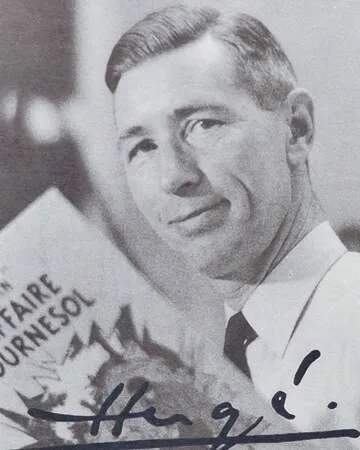
The Launch of Hergé's Comic Career
In 1926, the Belgian scouting magazine Le Boy Scout Belge introduced its readers to a new comic strip titled The Adventures of Totor. This comic marked the beginning of a prolific career for the cartoonist Hergé, who would later become world-renowned for his creation of the beloved character Tintin. Totor, an adventurous young boy, was not only the protagonist of this initial series but also served as a formative step towards Hergé's iconic style and storytelling techniques.
The Adventures of Totor: Not Just Any Comic
The story of Totor followed the escapades of a young scout and his dog, showcasing themes of adventure and friendship. Although it wasn’t as polished as Hergé’s later works, Totor allowed him to explore his unique artistic style, which would evolve significantly over the years. Hergé's keen interest in scouting and outdoor activities heavily influenced the storylines, reflecting the values of camaraderie and adventure inherent in the scouting ethos.
The Inspiration Behind Totor
Hergé, born Georges Remi in 1907, drew inspiration from his own experiences as a scout. The character of Totor embodies the youthful spirit and values of the Belgian scouting movement. His adventures resonated with young readers of the time, setting the groundwork for Hergé's future storytelling themes focused on exploration and discovery.
The Legacy of Totor and Hergé's Journey
The success of Totor unexpectedly opened doors for Hergé, leading him to refine his craft further. This initial comic strip was a precursor to what would soon blossom into the legendary Tintin series, which debuted in 1929. Hergé’s work would go on to enchant generations, establishing him as one of the foremost comic artists of the 20th century.
The Evolution to Tintin
After the advent of Totor, Hergé created the character of Tintin in 1929, who would become an enduring global icon. The newsworthy adventures of Tintin reflected contemporary issues and showcased Hergé's capability to blend humor with serious undertones, a contrast that began with his earlier works like Totor.
The Artistic Growth of Hergé
The early days of Hergé’s artistry, characterized by Totor, were formative in developing his meticulous illustration style and storytelling approach. His attention to detail set a standard for comic artists and contributed significantly to the graphic novel genre.
Fun Fact
The Origin of the Name Totor
The name Totor was derived from the French term for a boy scout, which reflects Hergé’s intention to create a relatable and engaging character for young readers. This was just one of the innovative elements that Hergé would consistently employ throughout his works.
Additional Resources
Recommended Reading on Hergé and Totor
If you’re interested in diving deeper into the world of Hergé, consider exploring The Adventures of Tintin: The Complete Illustrated History or Hergé: The Man Who Created Tintin. These resources provide greater insight into his artistic journey and the cultural impact of his creations.










 Continue with Google