


The Life and Legacy of Caravaggio
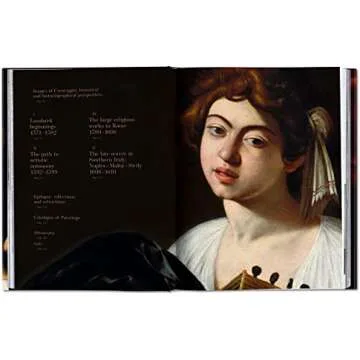
Caravaggio, born Michelangelo Merisi da Caravaggio in 1571, was an influential Italian painter whose work revolutionized the art world with his unique approach to naturalism and dramatic use of light. His profound emotional depth and innovative techniques laid the groundwork for the Baroque style that followed, leaving an indelible mark on the history of art.
Despite his immense talent, Caravaggio's life was as tumultuous as his artwork. He faced numerous legal troubles and lived a tumultuous lifestyle, often clashing with the law and finding himself at odds with societal norms. His personal struggles, reflected in his art, forged a complex narrative around his impressive yet tragic career.
Caravaggio's Masterpieces
Among his most acclaimed works is Saint Francis of Assisi in Ecstasy, which exemplifies his ability to convey deep religious sentiment through dramatic realism. The painting presents Saint Francis immersed in divine contemplation, capturing the moment of spiritual ecstasy with unparalleled intensity, a hallmark of Caravaggio's style.
The Impact of Caravaggio's Death
Caravaggio's untimely death at the age of 38 on July 18, 1610, marked the end of an era. His passing raised questions about what the art world had lost—a vibrant talent whose works conveyed both physical reality and spiritual essence. His influence lasted far beyond his years, inspiring artists like Rembrandt and the Italian Baroque painters who followed.
The Circumstances Surrounding Caravaggio's Passing
Caravaggio died under mysterious circumstances after a life filled with drama and intrigue. He had recently been granted a pardon for a murder conviction, but there are reports of ill health and injuries possibly suffered during his tumultuous life. The exact details of his death remain a topic of speculation among historians.
Health Issues and Final Days of Caravaggio
In the days leading up to his death, Caravaggio was rumored to be suffering from fever and complications from wounds. Local legends suggested he was left in a vulnerable state, abandoned by friends in a foreign land where he sought treatment. His last moments are shrouded in mystery, reflecting a life that mirrored the dark themes of his art.
The Legacy of Caravaggio's Art
Despite his abrupt end, Caravaggio’s legacy continues to thrive. His radical techniques, including the use of chiaroscuro (the use of strong contrasts between light and dark), have influenced generations of artists. Caravaggio’s ability to capture human emotion and realism transformed the landscape of painting forever.
Fun Fact
A Hidden Masterpiece
After his death, many of Caravaggio's works were lost or forgotten. However, one of his most significant pieces, The Calling of Saint Matthew, was later rediscovered and is now celebrated as one of his most important contributions to art.
Additional Resources
Recommended Reading on Caravaggio
For those interested in exploring Caravaggio's life and artistry further, consider reading "Caravaggio: A Life" by Andrew Graham-Dixon and "Caravaggio: The Artist and the Man" by David H. J. Williamson. These works delve deeper into his personal struggles and artistic contributions.





 Continue with Google