


The Final Chapters of Jean-Jacques Rousseau's Life
Jean-Jacques Rousseau, a towering figure in philosophy and political theory, passed away on July 2, 1778, at the age of 66. His death marked the end of a life rich with intellectual development and profound influence on the philosophical landscape of the 18th century. Rousseau succumbed to a stroke, which led to cerebral bleeding—a stark reminder of the fragility of life even for those who shaped ideas that would echo through history.
Born in Geneva in 1712, Rousseau's writings laid the foundation for modern political and educational thought. His masterpiece, Confessions, remains a pivotal work in the realm of autobiography, crafting a deeply introspective look into his life and thoughts. Each page revealed the anguish and triumphs of a man who sought to understand what it means to be truly human.
Rousseau's Last Moments
Details surrounding Rousseau's last days paint a picture of a man still deeply engaged with the world around him. In the years leading up to his death, Rousseau had faced personal controversies and public scrutiny, yet his commitment to his ideals never wavered. Friends and contemporaries often recounted his vibrant discussions and reflections on society, indicating that his intellectual spirit remained undiminished until the very end.
Legacy of a Revolutionary Thinker
Rousseau’s ideas were not just a product of his time but became fuel for the French Revolution and the evolution of modern democracy. The principles he advocated, such as the social contract and general will, inspired revolutionary leaders who sought to dismantle established hierarchies in favor of popular sovereignty.
Rousseau’s Enduring Influence
Even in death, Rousseau's influence continues to resonate, shaping contemporary thought and igniting discussions around freedom, equality, and the nature of governance. His revolutionary spirit and exploration of human emotion have made him a beloved figure in Romantic poetry and political discourse alike.
Rousseau's Impact on Romanticism
The Romantic movement drew heavily from Rousseau's philosophies. His emphasis on individual emotional experience and nature influenced poets and thinkers who came after him. They admired his call for authentic self-expression and his critique of rationalism—elements that would come to define Romantic literature.
Cultural Reflections on Rousseau
Many artists and writers took cues from Rousseau’s life and work, creating a legacy that extended beyond mere academic analysis. Works inspired by his philosophies permeated literature, music, and art, sealing his role as a central figure in cultural history.
Fun Fact
Rousseau’s Surprisingly Modern Philosophy
Despite living in the 18th century, Rousseau’s thoughts on education have remarkably modern implications, proposing a system that prioritizes the needs and interests of children—a concept that laid groundwork for contemporary educational theory.
Additional Resources
Recommended Reading on Jean-Jacques Rousseau
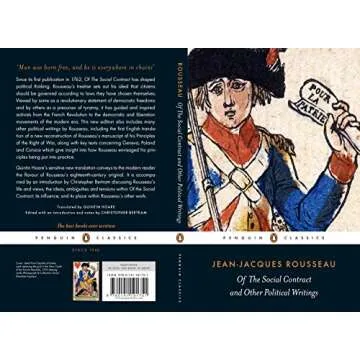
For those interested in delving deeper into Rousseau's life and philosophy, consider reading The Social Contract, where he outlines his key political ideas, or explore Emile, or On Education, which presents his vision for a progressive education tailored to childhood development. Both works exemplify the depth and significance of Rousseau's contributions to modern thought.





 Continue with Google