


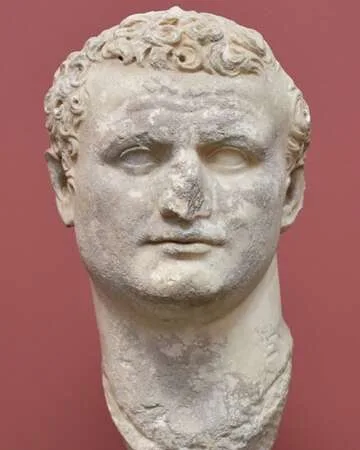
The Siege of Jerusalem
The year 70 CE marks a significant turning point in Jewish history known as the Siege of Jerusalem. During this tumultuous episode, the Roman Empire, under the command of Titus, besieged the city of Jerusalem, aiming to quell a Jewish revolt that had erupted four years earlier. The siege culminated in the Romans breaching the city walls, resulting in extensive fighting and ultimately, the catastrophic destruction of one of the most sacred sites in Judaism—the Second Temple.
The Importance of Jerusalem and the Second Temple
Jerusalem was not just a city; it was the spiritual heart of the Jewish people. The Second Temple, completed in 516 BCE, stood at the center of Jewish worship and society, symbolizing their relationship with God. The destruction of the temple was a profound loss, shattering Jewish identity and communal life.
The Role of Titus
Titus, the son of the Emperor Vespasian, played a crucial role in the Roman campaign against the Jewish rebellion. Known for his military prowess, he led the final assault on Jerusalem. Under his command, the Roman legions employed siege warfare tactics to overcome the defenders and gain control of the city.
The Fall of Jerusalem
As the Romans breached the city's defenses, chaos erupted. The Romans advanced through the city, meeting fierce resistance from the Jewish defenders. In the midst of the fighting, the Second Temple was set ablaze, consumed by fire as Roman soldiers sought to demoralize the defenders and assert their dominance.
The Destruction of the Second Temple
The burning of the Second Temple was a pivotal moment. It marked not just a military victory for Rome but also a profound spiritual crisis for the Jewish people. The temple's destruction led to the loss of their primary place of worship, and it transformed their religious practices for centuries to come.
The Aftermath of the Siege
The fall of Jerusalem resulted in a significant shift in power dynamics in the region. The Romans solidified their control, and thousands of Jews were killed or enslaved. The event contributed to the longstanding Jewish diaspora, where communities scattered across the globe, adapting their faith without a central temple.
Fun Fact
Titus and the Arch of Titus
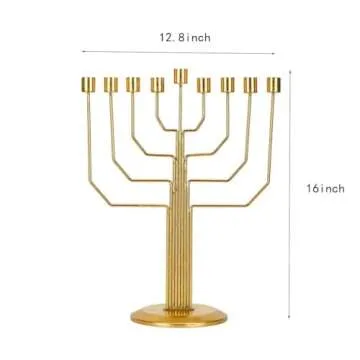
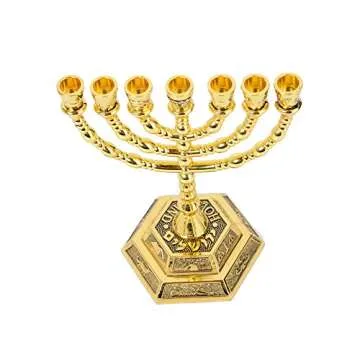
In honor of his victory, Emperor Domitian erected the Arch of Titus in Rome. This monumental arch celebrates the Roman triumph over the Jews and depicts the spoils taken from the Second Temple, including the Menorah, a symbol of Jewish faith.
Additional Resources
Recommended Reading on the Siege of Jerusalem
For deeper exploration of this significant historical event, consider the books The Jewish War by Josephus and Jerusalem: The Biography by Simon Sebag Montefiore. Both works provide invaluable insights into the events leading up to the destruction of Jerusalem and its lasting impact on Jewish history.







 Continue with Google