


Button Gwinnett: A Key Figure in Georgian Politics
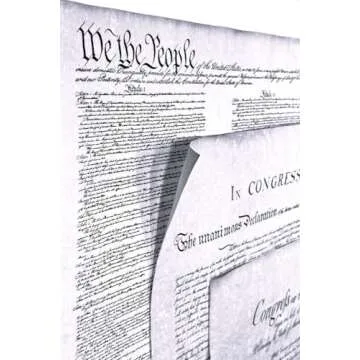
In the tumultuous years leading up to American independence, few individuals played as pivotal a role in Georgian politics as Button Gwinnett. Born in 1735 in England, Gwinnett emigrated to America, where he quickly established himself as a prominent political figure. As a delegate to the US Continental Congress, he became renowned for his fervent support of independence, having even signed the Declaration of Independence in 1776. This act symbolized his dedication to the burgeoning nation, but his political journey would soon take a dramatic turn.
Gwinnett’s Rise in Politics
Button Gwinnett's political career began by serving in the Georgia Assembly and he soon gained recognition for his eloquence and commitment to the revolutionary cause. By 1776, he had ascended to the role of president of the Georgia Provincial Congress, further solidifying his position as a leader in his community. Gwinnett's involvement in the war effort and his signature on pivotal documents showcased his unwavering dedication to the principles of liberty and democracy that defined the American Revolution.
The Rivalry with Lachlan McIntosh
However, Gwinnett's political ambitions were not without challenges. His rivalry with Lachlan McIntosh, a fellow leader in Georgia, grew increasingly heated. Political disagreements regarding military and governmental strategies sparked tensions that ultimately culminated in a duel. This duel was not just a personal conflict but reflected the intense political rivalries of the era, revealing the passionate nature of early American politics.
The Duel: A Crisis of Honor and Consequence
The fateful duel took place on May 16, 1777, near Savannah. Gwinnett and McIntosh faced each other under the code of honor prevalent in their time. Such duels were often seen as a means to settle disputes and restore one's honor, but they came with deadly risks. Gwinnett was wounded during this confrontation; despite courageously pursuing the duel, he sustained a severe injury that elevated the stakes of their political rivalry to a tragic end.
The Aftermath of Gwinnett’s Wounding
Following the duel, Button Gwinnett’s condition deteriorated rapidly. His injuries were grave, and he succumbed to them less than a month later, on May 19, 1777. His untimely death left a significant void in Georgian politics and the patriotic cause, marking a tragic chapter in the story of American independence.
The Legacy of Button Gwinnett
Gwinnett's legacy is cemented in his courage and conviction, signified by his pivotal role in the fight for independence and his ultimate sacrifice. He is remembered not only as a signer of the Declaration of Independence but also as a tragic figure whose life was cut short by the very political strife he sought to navigate. His contributions to the founding of the United States continue to be recognized and honored.
Fun Fact
Button Gwinnett’s Interesting Fact
Interestingly, Button Gwinnett’s signature is one of the rarest among signers of the Declaration of Independence because of his short life; it is highly sought after by collectors, often fetching prices in the millions.
Additional Resources
Recommended Reading on Button Gwinnett
If you're interested in learning more about Button Gwinnett and his legacy, consider reading The Forgotten Signer: Button Gwinnett by Robert L. Beisner or Button Gwinnett: Georgia's Signer of the Declaration of Independence by Andrew E. H. Jones.







 Continue with Google