


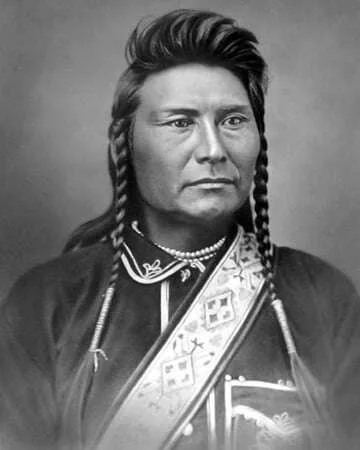
The Background of the Nez Perce Flight
In the summer of 1877, an incredible drama unfolded as nearly 800 Nez Perce warriors, women, and children embarked on a harrowing journey of survival. This event, known as the Flight of the Nez Perce, was precipitated by the U.S. government's encroachment on their lands and culture. Frustrated with broken treaties and forced relocations, Chief Joseph and his people made the courageous decision to flee towards Canada, seeking asylum from a government that threatened their very way of life.
As they retreated, they traveled through rugged landscapes, hoping to evade the pursuing U.S. Army. Their path took them through the breathtaking wilderness of Yellowstone National Park, a terrain that both aided and challenged their journey. The Nez Perce were skilled in navigating these lands, which offered temporary reprieves but also posed significant dangers.
Chief Joseph and the Nez Perce Leadership
Chief Joseph, also known as Hin-mah-too-yah-lat-kekt, was a prominent figure in this flight. His leadership qualities would shine through, as he sought to protect his people amidst overwhelming odds. Joseph was known for his oratory skills and vision for peace, believing that dialogue was essential for coexistence. However, faced with the threat of violence from the U.S. Army, he embraced the role of a warrior leader as well.
The Journey Through Yellowstone
As the Nez Perce journeyed through Yellowstone National Park, they encountered the park's stunning natural beauty, which contrasted sharply with the turmoil they faced. The park's forests and mountains provided cover, but the challenges were immense. The harsh conditions and constant threat from pursuing soldiers made this part of the journey particularly arduous.
The Climax of the Flight
The Nez Perce managed to evade their pursuers for over three months, covering nearly 1,100 miles across diverse and challenging terrains, including plains, mountains, and parklands. With each passing day, tensions escalated as U.S. troops closed in, determined to suppress what they viewed as an insurrection. The relentless pursuit led to various skirmishes, testing the Nez Perce’s resolve.
Encounters with the U.S. Army
Throughout their flight, the Nez Perce had several significant encounters with the U.S. Army. These battles, characterized by their fierce resistance, highlighted the Nez Perce's determination to maintain their freedom. However, the overwhelming forces of the army began to take a toll, leading to increasing hardships for the tribe.
The Surrender of the Nez Perce
Ultimately, the flight culminated at the Bear Paw Battlefield in Montana, where Chief Joseph made the heart-wrenching decision to surrender. On October 5, 1877, he delivered his famous speech, expressing regret over the violence and losses endured. His poignant words echoed the deep sorrow felt by his people as they relinquished their quest for freedom and peace.
Fun Fact
Chief Joseph’s Legacy
After the surrender, Chief Joseph became a symbol of Native American resistance and resilience. Despite not achieving his goal, his powerful oratory continues to inspire movements for civil rights and peace.
Additional Resources
Recommended Reading on Chief Joseph and the Nez Perce
For those wishing to delve deeper into this critical moment in history, consider the books "The Nez Perce War of 1877" and "Chief Joseph: His Life and Legacy".









 Continue with Google