



Introduction to Standardized Species Names
The Legacy of Carolus Linnaeus
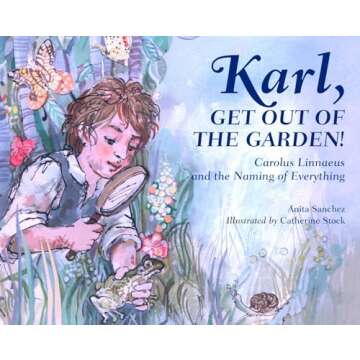
In 1758, the establishment of standardized species names marked a significant milestone in the field of biology, largely based on the principles laid out by Carolus Linnaeus in his seminal work, the 10th edition of Systema Naturae. Linnaeus introduced the revolutionary concept of binomial nomenclature, which employs a two-part naming system for species that is still in use today. This method involved giving every species a unique genus and species name, allowing scientists from different regions and languages to communicate their findings with ease.
The Role of the International Commission on Zoological Nomenclature
The establishment of the International Commission on Zoological Nomenclature (ICZN) was pivotal in formalizing the rules surrounding the naming of species. This organization set the starting point for standardized naming conventions, ensuring that each species would have a unique and universally accepted name. This system not only facilitated better communication among scientists but also enhanced the study and cataloging of the vast diversity of life on Earth.
Impact of Standardized Naming in Biology
Benefits of Standardized Species Names
The system established by Linnaeus and formalized by the ICZN facilitated a more organized study of biodiversity. By implementing standardized species names, researchers could accurately identify and refer to species without ambiguity. The binomial nomenclature system has become the bedrock upon which modern taxonomy rests, allowing for clearer classification and better understanding of evolutionary relationships among species.
Adapting to New Discoveries
As new species continue to be discovered and classified, the ICZN plays a crucial role in updating the classifications and ensuring that existing names remain in use. This adaptability is essential for keeping pace with advancements in genetic research, ecology, and conservation efforts, which rely on accurate species identification to inform their studies.
Fun Fact
The Linnaeus Tree
Did you know that Carolus Linnaeus is often referred to as the "father of modern taxonomy"? His work laid the groundwork for the classifications we use today, and he even created a taxonomy that organizes all living organisms into a hierarchical structure resembling a tree!
Additional Resources
Recommended Reading on Carolus Linnaeus
For those interested in diving deeper into the history and contributions of Carolus Linnaeus and the development of the binomial system, consider reading "The Naming of Names: The Search for Order in the World of Plants" by Johnathan Silvertown or "Linnaeus's Legacy: The History of Taxonomy" by Matthew J. M. P. LeBlanc.










 Continue with Google