


Understanding the Massacre of Drogheda
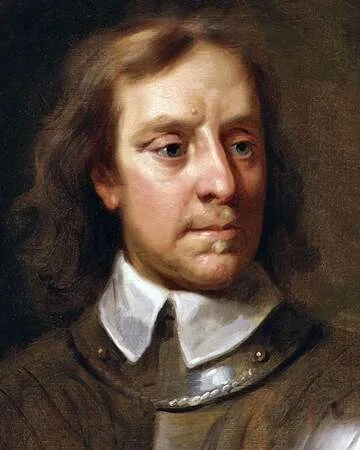
The Massacre of Drogheda stands as a harrowing chapter in Ireland's tumultuous past. In September 1649, during the **English Civil War**, **Oliver Cromwell**, leading an army of Parliamentarians, laid siege to Drogheda, a fortified town held by royalist forces. What ensued was a brutal confrontation that resulted in the deaths of approximately 3,000 royalists and civilians, marking this event as both a military action and a significant atrocity.
Events Leading to the Siege of Drogheda
The siege began with Cromwell's determination to subdue Ireland, which was largely supportive of the king. Drogheda, a strategic stronghold, was deemed essential for the Parliamentarians to assert control over the region. Following a severe bombardment, the Parliamentarian troops stormed the town on September 11, 1649, engaging in fierce combat with the defending forces.
Oliver Cromwell's Ruthless Tactics
Cromwell's approach was characterized by an attitude of severe retribution against those who opposed the Commonwealth. After the town fell, **Cromwell** ordered that no quarter be given to the defenders, which led to widespread slaughter. This shocking brutality was intended to serve as a warning to other royalist strongholds in Ireland. The massacre was not only a display of military might but also a stark representation of the era's brutal power struggles.
The Aftermath of the Drogheda Massacre
The aftermath of the Massacre of Drogheda left deep scars on the collective memory of the Irish. The event exacerbated tensions between the English and Irish, fueling resentment that would last for generations. It also played a crucial role in Cromwell’s campaign in Ireland as it emboldened his forces but incited fierce resistance among the Irish populace.
Impact on Ireland's History
The massacre is often viewed as a pivotal incident that altered the course of Irish history. It highlighted the extreme measures employed by Cromwell, shaping perceptions of him as both a hero in England and a villain in Ireland. This duality of perception continues to affect historical narratives regarding the **English conquest of Ireland**.
Legacy of Cromwell’s Actions
The legacy of the Drogheda Massacre lingers in Irish memory as a symbol of oppression and violence. Many Irish nationalists cite it when discussing the historical grievances against English rule. Cromwell’s actions in Drogheda and subsequent campaigns are reflected upon in literary works and historical studies, solidifying the incident's importance in both British and Irish historiography.
Fun Fact
Ominous Warnings from Drogheda
A chilling whisper in history suggests that Cromwell's army left inscriptions in the now-quiet ruins of Drogheda as warnings to future rebellions. This adds an eerie layer to a town still healing from its violent past.
Additional Resources
Recommended Reading on the Massacre of Drogheda
For those interested in delving deeper, consider reading "Cromwell: Our Chief of Men" by **Antony D. Smith** and "The Cromwellian Settlement of Ireland" by **Ciaran O’Neill**. These works provide nuanced insights into the era and events surrounding the Massacre of Drogheda.




 Continue with Google