


Establishment of the Michigan Territory
In 1805, the Michigan Territory was formally organized, marking a pivotal moment in the region's history. This event came after the U.S. government recognized the need for improved governance and representation following the Northwest Ordinance of 1787. Before its organization, the area was part of the larger Northwest Territory, which encompassed multiple future states. The creation of the Michigan Territory reflected the growing population and the desire for local governance.
Key Figures in the Formation
Key figures such as William Hull, the first Governor of the Michigan Territory, played a crucial role in shaping the territory’s early administration. Hull was tasked with establishing a government framework and facilitating the territory's growth. His leadership provided a foundation for developing laws, infrastructure, and communities that would foster settlement.
Political and Social Implications
The organization of the Michigan Territory had significant political implications, including the establishment of a legislative council and the appointment of judges. This governance structure was essential for maintaining order and promoting commerce in the region. It also encouraged migration, as prospects of land ownership and new opportunities attracted settlers.
Geographical Considerations and Population Growth
The Michigan Territory was characterized by its vast natural resources, including fertile land and access to the Great Lakes. The strategic location and rich soil facilitated economic activities such as agriculture and trade. As a result, the population began to grow rapidly, with many new settlers arriving to take advantage of the land.
Development of Towns and Infrastructure
With the establishment of the Michigan Territory, towns began to emerge, most notably Detroit, which served as the territorial capital. The development of roads and trade routes further enhanced connectivity, fostering economic growth and social interaction among settlers. The towns became hubs for commerce and culture.
The Role of Indigenous Peoples
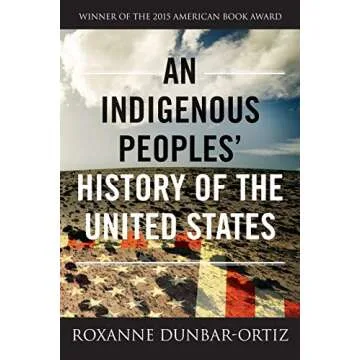
Throughout this development, the Indigenous peoples of the region played a critical role. Their histories and ties to the land shaped the territory's identity. As settlers moved in, tensions arose regarding land ownership and treaties, raising complex issues around indigenous rights and claims to land.
Fun Fact
Michigan’s Name Origin
The name "Michigan" comes from the Ojibwe word "michigama," meaning "great lake." This reflects the profound influence of the Great Lakes on the identity and economy of the territory.
Additional Resources
Recommended Reading on the Michigan Territory
For those interested in exploring more about the Michigan Territory's history, consider reading The Michigan Territory: A History by Friend Palmer, or Michigan: A History of the Great Lakes State by Bruce A. Ronda, which provide in-depth insights into the region's development.






 Continue with Google