


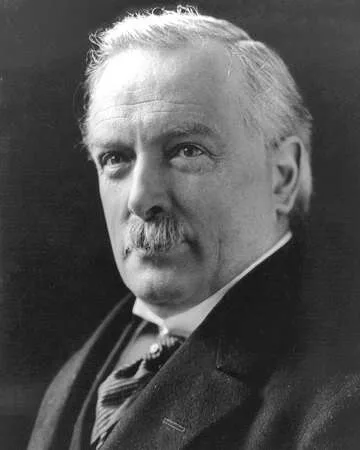
The People's Budget of 1909: A Bold Proposal
David Lloyd George's Vision
The People's Budget of 1909 was introduced by then Chancellor of the Exchequer, David Lloyd George, as a revolutionary plan to address social inequality in Britain. Recognizing that the burdens of taxation rested heavily on the lower and middle classes, Lloyd George aimed to shift the financial weight towards the wealthy. This ambitious proposal included increased taxes on inherited wealth and higher incomes, alongside new duties on land. The ultimate goal was to fund social reforms that would benefit the broader population, including education and health services.
The Reaction from the House of Lords
Despite the clear support from the House of Commons, the House of Lords, composed predominantly of aristocrats and landowners, rejected Lloyd George’s budget on the grounds that it unfairly targeted their interests. This rejection sparked a political crisis, raising fundamental questions about the powers of the unelected House of Lords versus the elected House of Commons. It showcased the growing divide between the interests of the elites and the aspirations of the common people.
The Aftermath: The Path to Reform
The Parliament Act of 1911
The rejection of the People's Budget ultimately led to significant constitutional change. In 1911, the Parliament Act was passed, limiting the power of the House of Lords to veto legislation. This act was a pivotal moment in British democracy, as it aimed to stop the unelected house from overruling the decisions made by the elected representatives, reinforcing the sovereignty of the Commons.
Societal Impact of the People's Budget
The controversy surrounding the People's Budget not only catalyzed legislative change but also galvanized public opinion against the aristocracy. It laid the foundation for further social reforms in Britain, including the introduction of welfare programs. The public's engagement and response to the budget underscored the growing demand for a fairer system where the wealthier classes contributed more to the state, influencing future policies well into the 20th century.
Fun Fact
The People's Budget's Lasting Legacy
One interesting fact about the People's Budget is that it paved the way for the British welfare state that emerged in the following decades, illustrating how significant reforms can arise from political conflict.
Additional Resources
Recommended Reading on the People's Budget
Interested in learning more about this historical event? Consider reading The People's Budget: The 1909 Crisis in the House of Lords or A History of the British Welfare State for deeper insights into this transformative period in British politics.




 Continue with Google