


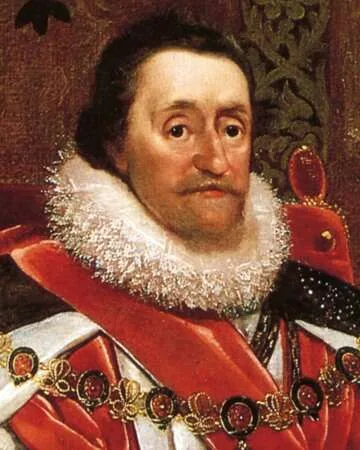
The Significance of the Raid of Ruthven in 1582
The Raid of Ruthven, which took place in 1582, marked a pivotal moment in Scottish history when King James VI was forcibly taken by a group of Presbyterian nobles. These nobles aimed to curb the increasing influence of France and the pro-Catholic policies that were becoming more prominent under James's rule. This event not only highlighted the religious and political tensions of the time but also showcased the struggle for power between different factions within the Scottish nobility.
The Capture of King James VI
On the night of the Raid of Ruthven, the nobles, known as the Raiders, stormed the royal lodging where James was staying. They demanded that he abandon his pro-French counsel and, in a shocking turn of events, took him hostage to enforce their demands. This bold action demonstrated the growing influence of the Protestant Reformation in Scotland and the nobles’ willingness to resort to extreme measures to protect their interests and beliefs.
The Impact of French Influence and Catholic Policies
The motives behind the raid were deeply rooted in the fear of foreign influence in Scottish affairs, particularly from France, which was closely aligned with Catholicism. As James VI, who was still a young king at the time, began to demonstrate a preference for pro-Catholic advisers, many Scottish Protestant nobles recognized the urgent need to intervene. The Raid of Ruthven was their answer to re-establish Protestant leadership in Scotland.
The Aftermath of the Abduction
Following the raid, King James VI was effectively under the control of the nobles, which led to several significant changes in governance and religious policy. The event drastically reshaped the political landscape of Scotland, leading to an era of instability marked by shifting allegiances and continued conflict between Protestant and Catholic factions.
The Restoration of King James VI
Despite his initial captivity, James was eventually released, but the events of the raid had left a lasting imprint on his reign. His experience during the time of his captivity would later influence his approach to governance and reconciliation with his nobles.
The Lasting Legacy of the Raid of Ruthven
The consequences of the Raid of Ruthven went beyond James's immediate concerns. It set a precedent for noble intervention in royal policies and signified the ongoing unrest between differing religious facades during a transformative period in Scotland's history.
Fun Fact
The Aura of the Historical Event
Interestingly, the Raid of Ruthven was just one of the many instances of political intrigue that characterized James VI’s reign. He later became James I of England, showcasing his political adaptability throughout changing times.
Additional Resources
Recommended Reading on The Raid of Ruthven
For those interested in further exploring this fascinating historical event, consider reading "The History of Scotland" by John of Fordun or "James VI and I" by Anna Groundwater to gain deeper insights into the turbulent years of James's reign.












 Continue with Google