


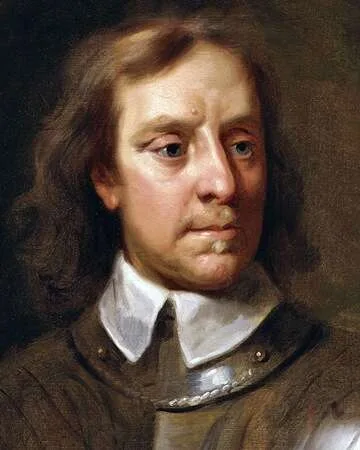
Oliver Cromwell: A Brief Overview
Oliver Cromwell was a key figure in the English Civil War, known for his military and political prowess. He rose to prominence as the leader of the Parliamentarian forces, combating the royalist supporters of King Charles I. After the execution of the king in 1649, Cromwell became the Lord Protector of the Commonwealth of England, effectively ruling the country until his death in 1658.
The Life and Death of Oliver Cromwell
Cromwell was born on April 25, 1599, in Huntingdon, England. His leadership during the Civil War transformed British politics, emphasizing a model of republican governance in stark contrast to monarchy. However, after his death on September 3, 1658, England struggled to maintain the stability he had provided.
The Fall of the Commonwealth
Following Cromwell's passing, the political landscape continued to shift. His son, Richard Cromwell, succeeded him but lacked both the charisma and strength to stabilize the commonwealth. By 1660, the monarchy was restored, leading to significant repercussions for those who had supported the Puritan regime.
The Ritual Execution of a Dead Leader
In a bizarre turn of events, on January 30, 1661, Cromwell was posthumously executed. This act was part of a larger campaign against the memory and legacy of the Cromwellian regime. The ritual involved exhuming his body and publicly displaying it as a statement against his leadership and the republic he had represented.
The Reasons Behind the Execution
The restoration of the monarchy led to significant efforts to delegitimize Cromwell’s rule. His public execution was intended to symbolize the return of royal authority and to condemn the regicides, or those who participated in the execution of King Charles I. The public demonstration underscored the monarchists' disdain for Cromwell's republican ideals.
The Aftermath of Cromwell's Execution
Following the ritual execution, Cromwell’s remains were desecrated, and his head was displayed on a pike outside Westminster Hall. This gruesome act aimed to discourage any intentions toward republicanism and to solidify the monarchy's power. Cromwell's legacy remained contentious, making him a polarizing figure in British history.
Fun Fact
Oliver Cromwell’s Ghostly Legacy
Interestingly, the remains of Oliver Cromwell were buried in an unmarked grave after the desecration. In 1661, over two centuries later, his bones were finally laid to rest at Westminster Abbey, signaling a shift in public perception about his role in Britain's history.
Additional Resources
Recommended Reading on Oliver Cromwell
For those interested in exploring more about Cromwell, consider reading Cromwell: Our Chief of Men by Antonia Fraser or Oliver Cromwell: A Classic Biography by E. A. Rees. These works delve deeper into the intriguing life and times of this complex historical figure.








 Continue with Google